
Get trending papers in your email inbox once a day!
Get trending papers in your email inbox!
Subscribe


AstroM$^3$: A self-supervised multimodal model for astronomy
While machine-learned models are now routinely employed to facilitate astronomical inquiry, model inputs tend to be limited to a primary data source (namely images or time series) and, in the more advanced approaches, some metadata. Yet with the growing use of wide-field, multiplexed observational resources, individual sources of interest often have a broad range of observational modes available. Here we construct an astronomical multimodal dataset and propose AstroM^3, a self-supervised pre-training approach that enables a model to learn from multiple modalities simultaneously. Specifically, we extend the CLIP (Contrastive Language-Image Pretraining) model to a trimodal setting, allowing the integration of time-series photometry data, spectra, and astrophysical metadata. In a fine-tuning supervised setting, our results demonstrate that CLIP pre-training improves classification performance for time-series photometry, where accuracy increases from 84.6% to 91.5%. Furthermore, CLIP boosts classification accuracy by up to 12.6% when the availability of labeled data is limited, showing the effectiveness of leveraging larger corpora of unlabeled data. In addition to fine-tuned classification, we can use the trained model in other downstream tasks that are not explicitly contemplated during the construction of the self-supervised model. In particular we show the efficacy of using the learned embeddings for misclassifications identification, similarity search, and anomaly detection. One surprising highlight is the "rediscovery" of Mira subtypes and two Rotational variable subclasses using manifold learning and dimension reduction algorithm. To our knowledge this is the first construction of an n>2 mode model in astronomy. Extensions to n>3 modes is naturally anticipated with this approach.
Delving into the Utilisation of ChatGPT in Scientific Publications in Astronomy
Rapid progress in the capabilities of machine learning approaches in natural language processing has culminated in the rise of large language models over the last two years. Recent works have shown unprecedented adoption of these for academic writing, especially in some fields, but their pervasiveness in astronomy has not been studied sufficiently. To remedy this, we extract words that ChatGPT uses more often than humans when generating academic text and search a total of 1 million articles for them. This way, we assess the frequency of word occurrence in published works in astronomy tracked by the NASA Astrophysics Data System since 2000. We then perform a statistical analysis of the occurrences. We identify a list of words favoured by ChatGPT and find a statistically significant increase for these words against a control group in 2024, which matches the trend in other disciplines. These results suggest a widespread adoption of these models in the writing of astronomy papers. We encourage organisations, publishers, and researchers to work together to identify ethical and pragmatic guidelines to maximise the benefits of these systems while maintaining scientific rigour.

pathfinder: A Semantic Framework for Literature Review and Knowledge Discovery in Astronomy
The exponential growth of astronomical literature poses significant challenges for researchers navigating and synthesizing general insights or even domain-specific knowledge. We present Pathfinder, a machine learning framework designed to enable literature review and knowledge discovery in astronomy, focusing on semantic searching with natural language instead of syntactic searches with keywords. Utilizing state-of-the-art large language models (LLMs) and a corpus of 350,000 peer-reviewed papers from the Astrophysics Data System (ADS), Pathfinder offers an innovative approach to scientific inquiry and literature exploration. Our framework couples advanced retrieval techniques with LLM-based synthesis to search astronomical literature by semantic context as a complement to currently existing methods that use keywords or citation graphs. It addresses complexities of jargon, named entities, and temporal aspects through time-based and citation-based weighting schemes. We demonstrate the tool's versatility through case studies, showcasing its application in various research scenarios. The system's performance is evaluated using custom benchmarks, including single-paper and multi-paper tasks. Beyond literature review, Pathfinder offers unique capabilities for reformatting answers in ways that are accessible to various audiences (e.g. in a different language or as simplified text), visualizing research landscapes, and tracking the impact of observatories and methodologies. This tool represents a significant advancement in applying AI to astronomical research, aiding researchers at all career stages in navigating modern astronomy literature.
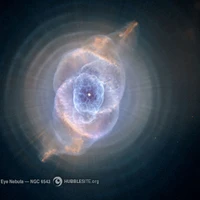


AstroLLaVA: towards the unification of astronomical data and natural language
We present AstroLLaVA, a vision language model for astronomy that enables interaction with astronomical imagery through natural dialogue. By fine-tuning the LLaVA model on a diverse dataset of sim30k images with captions and question-answer pairs sourced from NASA's `Astronomy Picture of the Day', the European Southern Observatory, and the NASA/ESA Hubble Space Telescope, we create a model capable of answering open-ended questions about astronomical concepts depicted visually. Our two-stage fine-tuning process adapts the model to both image captioning and visual question answering in the astronomy domain. We demonstrate AstroLLaVA's performance on an astronomical visual question answering benchmark and release the model weights, code, and training set to encourage further open source work in this space. Finally, we suggest a roadmap towards general astronomical data alignment with pre-trained language models, and provide an open space for collaboration towards this end for interested researchers.
AstroMLab 1: Who Wins Astronomy Jeopardy!?
We present a comprehensive evaluation of proprietary and open-weights large language models using the first astronomy-specific benchmarking dataset. This dataset comprises 4,425 multiple-choice questions curated from the Annual Review of Astronomy and Astrophysics, covering a broad range of astrophysical topics. Our analysis examines model performance across various astronomical subfields and assesses response calibration, crucial for potential deployment in research environments. Claude-3.5-Sonnet outperforms competitors by up to 4.6 percentage points, achieving 85.0% accuracy. For proprietary models, we observed a universal reduction in cost every 3-to-12 months to achieve similar score in this particular astronomy benchmark. Open-source models have rapidly improved, with LLaMA-3-70b (80.6%) and Qwen-2-72b (77.7%) now competing with some of the best proprietary models. We identify performance variations across topics, with non-English-focused models generally struggling more in exoplanet-related fields, stellar astrophysics, and instrumentation related questions. These challenges likely stem from less abundant training data, limited historical context, and rapid recent developments in these areas. This pattern is observed across both open-weights and proprietary models, with regional dependencies evident, highlighting the impact of training data diversity on model performance in specialized scientific domains. Top-performing models demonstrate well-calibrated confidence, with correlations above 0.9 between confidence and correctness, though they tend to be slightly underconfident. The development for fast, low-cost inference of open-weights models presents new opportunities for affordable deployment in astronomy. The rapid progress observed suggests that LLM-driven research in astronomy may become feasible in the near future.


Building astroBERT, a language model for Astronomy & Astrophysics
The existing search tools for exploring the NASA Astrophysics Data System (ADS) can be quite rich and empowering (e.g., similar and trending operators), but researchers are not yet allowed to fully leverage semantic search. For example, a query for "results from the Planck mission" should be able to distinguish between all the various meanings of Planck (person, mission, constant, institutions and more) without further clarification from the user. At ADS, we are applying modern machine learning and natural language processing techniques to our dataset of recent astronomy publications to train astroBERT, a deeply contextual language model based on research at Google. Using astroBERT, we aim to enrich the ADS dataset and improve its discoverability, and in particular we are developing our own named entity recognition tool. We present here our preliminary results and lessons learned.
AstroMLab 2: AstroLLaMA-2-70B Model and Benchmarking Specialised LLMs for Astronomy
Continual pretraining of large language models on domain-specific data has been proposed to enhance performance on downstream tasks. In astronomy, the previous absence of astronomy-focused benchmarks has hindered objective evaluation of these specialized LLM models. Leveraging a recent initiative to curate high-quality astronomical MCQs, this study aims to quantitatively assess specialized LLMs in astronomy. We find that the previously released AstroLLaMA series, based on LLaMA-2-7B, underperforms compared to the base model. We demonstrate that this performance degradation can be partially mitigated by utilizing high-quality data for continual pretraining, such as summarized text from arXiv. Despite the observed catastrophic forgetting in smaller models, our results indicate that continual pretraining on the 70B model can yield significant improvements. However, the current supervised fine-tuning dataset still constrains the performance of instruct models. In conjunction with this study, we introduce a new set of models, AstroLLaMA-3-8B and AstroLLaMA-2-70B, building upon the previous AstroLLaMA series.
INDUS: Effective and Efficient Language Models for Scientific Applications
Large language models (LLMs) trained on general domain corpora showed remarkable results on natural language processing (NLP) tasks. However, previous research demonstrated LLMs trained using domain-focused corpora perform better on specialized tasks. Inspired by this pivotal insight, we developed INDUS, a comprehensive suite of LLMs tailored for the Earth science, biology, physics, heliophysics, planetary sciences and astrophysics domains and trained using curated scientific corpora drawn from diverse data sources. The suite of models include: (1) an encoder model trained using domain-specific vocabulary and corpora to address natural language understanding tasks, (2) a contrastive-learning-based general text embedding model trained using a diverse set of datasets drawn from multiple sources to address information retrieval tasks and (3) smaller versions of these models created using knowledge distillation techniques to address applications which have latency or resource constraints. We also created three new scientific benchmark datasets namely, CLIMATE-CHANGE-NER (entity-recognition), NASA-QA (extractive QA) and NASA-IR (IR) to accelerate research in these multi-disciplinary fields. Finally, we show that our models outperform both general-purpose encoders (RoBERTa) and existing domain-specific encoders (SciBERT) on these new tasks as well as existing benchmark tasks in the domains of interest.


Meaning at the Planck scale? Contextualized word embeddings for doing history, philosophy, and sociology of science
This paper explores the potential of contextualized word embeddings (CWEs) as a new tool in the history, philosophy, and sociology of science (HPSS) for studying contextual and evolving meanings of scientific concepts. Using the term "Planck" as a test case, I evaluate five BERT-based models with varying degrees of domain-specific pretraining, including my custom model Astro-HEP-BERT, trained on the Astro-HEP Corpus, a dataset containing 21.84 million paragraphs from 600,000 articles in astrophysics and high-energy physics. For this analysis, I compiled two labeled datasets: (1) the Astro-HEP-Planck Corpus, consisting of 2,900 labeled occurrences of "Planck" sampled from 1,500 paragraphs in the Astro-HEP Corpus, and (2) a physics-related Wikipedia dataset comprising 1,186 labeled occurrences of "Planck" across 885 paragraphs. Results demonstrate that the domain-adapted models outperform the general-purpose ones in disambiguating the target term, predicting its known meanings, and generating high-quality sense clusters, as measured by a novel purity indicator I developed. Additionally, this approach reveals semantic shifts in the target term over three decades in the unlabeled Astro-HEP Corpus, highlighting the emergence of the Planck space mission as a dominant sense. The study underscores the importance of domain-specific pretraining for analyzing scientific language and demonstrates the cost-effectiveness of adapting pretrained models for HPSS research. By offering a scalable and transferable method for modeling the meanings of scientific concepts, CWEs open up new avenues for investigating the socio-historical dynamics of scientific discourses.

AstroMLab 4: Benchmark-Topping Performance in Astronomy Q&A with a 70B-Parameter Domain-Specialized Reasoning Model
General-purpose large language models, despite their broad capabilities, often struggle with specialized domain knowledge, a limitation particularly pronounced in more accessible, lower-parameter versions. This gap hinders their deployment as effective agents in demanding fields such as astronomy. Building on our prior work with AstroSage-8B, this study introduces AstroSage-70B, a significantly larger and more advanced domain-specialized natural-language AI assistant. It is designed for research and education across astronomy, astrophysics, space science, astroparticle physics, cosmology, and astronomical instrumentation. Developed from the Llama-3.1-70B foundation, AstroSage-70B underwent extensive continued pre-training on a vast corpus of astronomical literature, followed by supervised fine-tuning and model merging. Beyond its 70-billion parameter scale, this model incorporates refined datasets, judiciously chosen learning hyperparameters, and improved training procedures, achieving state-of-the-art performance on complex astronomical tasks. Notably, we integrated reasoning chains into the SFT dataset, enabling AstroSage-70B to either answer the user query immediately, or first emit a human-readable thought process. Evaluated on the AstroMLab-1 benchmark -- comprising 4,425 questions from literature withheld during training -- AstroSage-70B achieves state-of-the-art performance. It surpasses all other tested open-weight and proprietary models, including leading systems like o3, Gemini-2.5-Pro, Claude-3.7-Sonnet, Deepseek-R1, and Qwen-3-235B, even those with API costs two orders of magnitude higher. This work demonstrates that domain specialization, when applied to large-scale models, can enable them to outperform generalist counterparts in specialized knowledge areas like astronomy, thereby advancing the frontier of AI capabilities in the field.
cosmosage: A Natural-Language Assistant for Cosmologists
cosmosage is a natural-language assistant intended for a wide audience, from laypersons interested in cosmology to students, teachers, and professional cosmologists. cosmosage provides a novel way to access knowledge and reason about cosmology. Leveraging the power of advanced large language models (LLMs), cosmosage has learned from a vast corpus of open-access source texts, including textbooks and papers. cosmosage is found to be state-of-the-art on the narrow task of answering questions about cosmology, outperforming all general-purpose models. The model parameters and code are publicly available.
AstroLLaMA: Towards Specialized Foundation Models in Astronomy
Large language models excel in many human-language tasks but often falter in highly specialized domains like scholarly astronomy. To bridge this gap, we introduce AstroLLaMA, a 7-billion-parameter model fine-tuned from LLaMA-2 using over 300,000 astronomy abstracts from arXiv. Optimized for traditional causal language modeling, AstroLLaMA achieves a 30% lower perplexity than Llama-2, showing marked domain adaptation. Our model generates more insightful and scientifically relevant text completions and embedding extraction than state-of-the-arts foundation models despite having significantly fewer parameters. AstroLLaMA serves as a robust, domain-specific model with broad fine-tuning potential. Its public release aims to spur astronomy-focused research, including automatic paper summarization and conversational agent development.


AstronomicAL: An interactive dashboard for visualisation, integration and classification of data using Active Learning
AstronomicAL is a human-in-the-loop interactive labelling and training dashboard that allows users to create reliable datasets and robust classifiers using active learning. This technique prioritises data that offer high information gain, leading to improved performance using substantially less data. The system allows users to visualise and integrate data from different sources and deal with incorrect or missing labels and imbalanced class sizes. AstronomicAL enables experts to visualise domain-specific plots and key information relating both to broader context and details of a point of interest drawn from a variety of data sources, ensuring reliable labels. In addition, AstronomicAL provides functionality to explore all aspects of the training process, including custom models and query strategies. This makes the software a tool for experimenting with both domain-specific classifications and more general-purpose machine learning strategies. We illustrate using the system with an astronomical dataset due to the field's immediate need; however, AstronomicAL has been designed for datasets from any discipline. Finally, by exporting a simple configuration file, entire layouts, models, and assigned labels can be shared with the community. This allows for complete transparency and ensures that the process of reproducing results is effortless

GeoGalactica: A Scientific Large Language Model in Geoscience
Large language models (LLMs) have achieved huge success for their general knowledge and ability to solve a wide spectrum of tasks in natural language processing (NLP). Due to their impressive abilities, LLMs have shed light on potential inter-discipline applications to foster scientific discoveries of a specific domain by using artificial intelligence (AI for science, AI4S). In the meantime, utilizing NLP techniques in geoscience research and practice is wide and convoluted, contributing from knowledge extraction and document classification to question answering and knowledge discovery. In this work, we take the initial step to leverage LLM for science, through a rather straightforward approach. We try to specialize an LLM into geoscience, by further pre-training the model with a vast amount of texts in geoscience, as well as supervised fine-tuning (SFT) the resulting model with our custom collected instruction tuning dataset. These efforts result in a model GeoGalactica consisting of 30 billion parameters. To our best knowledge, it is the largest language model for the geoscience domain. More specifically, GeoGalactica is from further pre-training of Galactica. We train GeoGalactica over a geoscience-related text corpus containing 65 billion tokens curated from extensive data sources in the big science project Deep-time Digital Earth (DDE), preserving as the largest geoscience-specific text corpus. Then we fine-tune the model with 1 million pairs of instruction-tuning data consisting of questions that demand professional geoscience knowledge to answer. In this technical report, we will illustrate in detail all aspects of GeoGalactica, including data collection, data cleaning, base model selection, pre-training, SFT, and evaluation. We open-source our data curation tools and the checkpoints of GeoGalactica during the first 3/4 of pre-training.

Knowledge Graph in Astronomical Research with Large Language Models: Quantifying Driving Forces in Interdisciplinary Scientific Discovery
Identifying and predicting the factors that contribute to the success of interdisciplinary research is crucial for advancing scientific discovery. However, there is a lack of methods to quantify the integration of new ideas and technological advancements in astronomical research and how these new technologies drive further scientific breakthroughs. Large language models, with their ability to extract key concepts from vast literature beyond keyword searches, provide a new tool to quantify such processes. In this study, we extracted concepts in astronomical research from 297,807 publications between 1993 and 2024 using large language models, resulting in a set of 24,939 concepts. These concepts were then used to form a knowledge graph, where the link strength between any two concepts was determined by their relevance through the citation-reference relationships. By calculating this relevance across different time periods, we quantified the impact of numerical simulations and machine learning on astronomical research. The knowledge graph demonstrates two phases of development: a phase where the technology was integrated and another where the technology was explored in scientific discovery. The knowledge graph reveals that despite machine learning has made much inroad in astronomy, there is currently a lack of new concept development at the intersection of AI and Astronomy, which may be the current bottleneck preventing machine learning from further transforming the field of astronomy.
Evaluating small vision-language models as AI assistants for radio astronomical source analysis tasks
The advent of next-generation radio telescopes is set to transform radio astronomy by producing massive data volumes that challenge traditional processing methods. Deep learning techniques have shown strong potential in automating radio analysis tasks, yet are often constrained by the limited availability of large annotated datasets. Recent progress in self-supervised learning has led to foundational radio vision models, but adapting them for new tasks typically requires coding expertise, limiting their accessibility to a broader astronomical community. Text-based AI interfaces offer a promising alternative by enabling task-specific queries and example-driven learning. In this context, Large Language Models (LLMs), with their remarkable zero-shot capabilities, are increasingly used in scientific domains. However, deploying large-scale models remains resource-intensive, and there is a growing demand for AI systems that can reason over both visual and textual data in astronomical analysis. This study explores small-scale Vision-Language Models (VLMs) as AI assistants for radio astronomy, combining LLM capabilities with vision transformers. We fine-tuned the LLaVA VLM on a dataset of 59k radio images from multiple surveys, enriched with 38k image-caption pairs from the literature. The fine-tuned models show clear improvements over base models in radio-specific tasks, achieving ~30% F1-score gains in extended source detection, but they underperform pure vision models and exhibit ~20% drop on general multimodal tasks. Inclusion of caption data and LoRA fine-tuning enhances instruction-following and helps recover ~10% accuracy on standard benchmarks. This work lays the foundation for future advancements in radio VLMs, highlighting their potential and limitations, such as the need for better multimodal alignment, higher-quality datasets, and mitigation of catastrophic forgetting.
Nabra: Syrian Arabic Dialects with Morphological Annotations
This paper presents Nabra, a corpora of Syrian Arabic dialects with morphological annotations. A team of Syrian natives collected more than 6K sentences containing about 60K words from several sources including social media posts, scripts of movies and series, lyrics of songs and local proverbs to build Nabra. Nabra covers several local Syrian dialects including those of Aleppo, Damascus, Deir-ezzur, Hama, Homs, Huran, Latakia, Mardin, Raqqah, and Suwayda. A team of nine annotators annotated the 60K tokens with full morphological annotations across sentence contexts. We trained the annotators to follow methodological annotation guidelines to ensure unique morpheme annotations, and normalized the annotations. F1 and kappa agreement scores ranged between 74% and 98% across features, showing the excellent quality of Nabra annotations. Our corpora are open-source and publicly available as part of the Currasat portal https://sina.birzeit.edu/currasat.
SpecCLIP: Aligning and Translating Spectroscopic Measurements for Stars
In recent years, large language models (LLMs) have transformed natural language understanding through vast datasets and large-scale parameterization. Inspired by this success, we present SpecCLIP, a foundation model framework that extends LLM-inspired methodologies to stellar spectral analysis. Stellar spectra, akin to structured language, encode rich physical and chemical information about stars. By training foundation models on large-scale spectral datasets, our goal is to learn robust and informative embeddings that support diverse downstream applications. As a proof of concept, SpecCLIP involves pre-training on two spectral types--LAMOST low-resolution and Gaia XP--followed by contrastive alignment using the CLIP (Contrastive Language-Image Pre-training) framework, adapted to associate spectra from different instruments. This alignment is complemented by auxiliary decoders that preserve spectrum-specific information and enable translation (prediction) between spectral types, with the former achieved by maximizing mutual information between embeddings and input spectra. The result is a cross-spectrum framework enabling intrinsic calibration and flexible applications across instruments. We demonstrate that fine-tuning these models on moderate-sized labeled datasets improves adaptability to tasks such as stellar-parameter estimation and chemical-abundance determination. SpecCLIP also enhances the accuracy and precision of parameter estimates benchmarked against external survey data. Additionally, its similarity search and cross-spectrum prediction capabilities offer potential for anomaly detection. Our results suggest that contrastively trained foundation models enriched with spectrum-aware decoders can advance precision stellar spectroscopy.
Introducing cosmosGPT: Monolingual Training for Turkish Language Models
The number of open source language models that can produce Turkish is increasing day by day, as in other languages. In order to create the basic versions of such models, the training of multilingual models is usually continued with Turkish corpora. The alternative is to train the model with only Turkish corpora. In this study, we first introduce the cosmosGPT models that we created with this alternative method. Then, we introduce new finetune datasets for basic language models to fulfill user requests and new evaluation datasets for measuring the capabilities of Turkish language models. Finally, a comprehensive comparison of the adapted Turkish language models on different capabilities is presented. The results show that the language models we built with the monolingual corpus have promising performance despite being about 10 times smaller than the others.


The Multimodal Universe: Enabling Large-Scale Machine Learning with 100TB of Astronomical Scientific Data
We present the MULTIMODAL UNIVERSE, a large-scale multimodal dataset of scientific astronomical data, compiled specifically to facilitate machine learning research. Overall, the MULTIMODAL UNIVERSE contains hundreds of millions of astronomical observations, constituting 100\,TB of multi-channel and hyper-spectral images, spectra, multivariate time series, as well as a wide variety of associated scientific measurements and "metadata". In addition, we include a range of benchmark tasks representative of standard practices for machine learning methods in astrophysics. This massive dataset will enable the development of large multi-modal models specifically targeted towards scientific applications. All codes used to compile the MULTIMODAL UNIVERSE and a description of how to access the data is available at https://github.com/MultimodalUniverse/MultimodalUniverse

Semantic search for 100M+ galaxy images using AI-generated captions
Finding scientifically interesting phenomena through slow, manual labeling campaigns severely limits our ability to explore the billions of galaxy images produced by telescopes. In this work, we develop a pipeline to create a semantic search engine from completely unlabeled image data. Our method leverages Vision-Language Models (VLMs) to generate descriptions for galaxy images, then contrastively aligns a pre-trained multimodal astronomy foundation model with these embedded descriptions to produce searchable embeddings at scale. We find that current VLMs provide descriptions that are sufficiently informative to train a semantic search model that outperforms direct image similarity search. Our model, AION-Search, achieves state-of-the-art zero-shot performance on finding rare phenomena despite training on randomly selected images with no deliberate curation for rare cases. Furthermore, we introduce a VLM-based re-ranking method that nearly doubles the recall for our most challenging targets in the top-100 results. For the first time, AION-Search enables flexible semantic search scalable to 140 million galaxy images, enabling discovery from previously infeasible searches. More broadly, our work provides an approach for making large, unlabeled scientific image archives semantically searchable, expanding data exploration capabilities in fields from Earth observation to microscopy. The code, data, and app are publicly available at https://github.com/NolanKoblischke/AION-Search
Practical Galaxy Morphology Tools from Deep Supervised Representation Learning
Astronomers have typically set out to solve supervised machine learning problems by creating their own representations from scratch. We show that deep learning models trained to answer every Galaxy Zoo DECaLS question learn meaningful semantic representations of galaxies that are useful for new tasks on which the models were never trained. We exploit these representations to outperform several recent approaches at practical tasks crucial for investigating large galaxy samples. The first task is identifying galaxies of similar morphology to a query galaxy. Given a single galaxy assigned a free text tag by humans (e.g. "#diffuse"), we can find galaxies matching that tag for most tags. The second task is identifying the most interesting anomalies to a particular researcher. Our approach is 100% accurate at identifying the most interesting 100 anomalies (as judged by Galaxy Zoo 2 volunteers). The third task is adapting a model to solve a new task using only a small number of newly-labelled galaxies. Models fine-tuned from our representation are better able to identify ring galaxies than models fine-tuned from terrestrial images (ImageNet) or trained from scratch. We solve each task with very few new labels; either one (for the similarity search) or several hundred (for anomaly detection or fine-tuning). This challenges the longstanding view that deep supervised methods require new large labelled datasets for practical use in astronomy. To help the community benefit from our pretrained models, we release our fine-tuning code Zoobot. Zoobot is accessible to researchers with no prior experience in deep learning.


An Ensemble of Bayesian Neural Networks for Exoplanetary Atmospheric Retrieval
Machine learning is now used in many areas of astrophysics, from detecting exoplanets in Kepler transit signals to removing telescope systematics. Recent work demonstrated the potential of using machine learning algorithms for atmospheric retrieval by implementing a random forest to perform retrievals in seconds that are consistent with the traditional, computationally-expensive nested-sampling retrieval method. We expand upon their approach by presenting a new machine learning model, plan-net, based on an ensemble of Bayesian neural networks that yields more accurate inferences than the random forest for the same data set of synthetic transmission spectra. We demonstrate that an ensemble provides greater accuracy and more robust uncertainties than a single model. In addition to being the first to use Bayesian neural networks for atmospheric retrieval, we also introduce a new loss function for Bayesian neural networks that learns correlations between the model outputs. Importantly, we show that designing machine learning models to explicitly incorporate domain-specific knowledge both improves performance and provides additional insight by inferring the covariance of the retrieved atmospheric parameters. We apply plan-net to the Hubble Space Telescope Wide Field Camera 3 transmission spectrum for WASP-12b and retrieve an isothermal temperature and water abundance consistent with the literature. We highlight that our method is flexible and can be expanded to higher-resolution spectra and a larger number of atmospheric parameters.
On the Origin of LLMs: An Evolutionary Tree and Graph for 15,821 Large Language Models
Since late 2022, Large Language Models (LLMs) have become very prominent with LLMs like ChatGPT and Bard receiving millions of users. Hundreds of new LLMs are announced each week, many of which are deposited to Hugging Face, a repository of machine learning models and datasets. To date, nearly 16,000 Text Generation models have been uploaded to the site. Given the huge influx of LLMs, it is of interest to know which LLM backbones, settings, training methods, and families are popular or trending. However, there is no comprehensive index of LLMs available. We take advantage of the relatively systematic nomenclature of Hugging Face LLMs to perform hierarchical clustering and identify communities amongst LLMs using n-grams and term frequency-inverse document frequency. Our methods successfully identify families of LLMs and accurately cluster LLMs into meaningful subgroups. We present a public web application to navigate and explore Constellation, our atlas of 15,821 LLMs. Constellation rapidly generates a variety of visualizations, namely dendrograms, graphs, word clouds, and scatter plots. Constellation is available at the following link: https://constellation.sites.stanford.edu/.

A Multilingual Parallel Corpora Collection Effort for Indian Languages
We present sentence aligned parallel corpora across 10 Indian Languages - Hindi, Telugu, Tamil, Malayalam, Gujarati, Urdu, Bengali, Oriya, Marathi, Punjabi, and English - many of which are categorized as low resource. The corpora are compiled from online sources which have content shared across languages. The corpora presented significantly extends present resources that are either not large enough or are restricted to a specific domain (such as health). We also provide a separate test corpus compiled from an independent online source that can be independently used for validating the performance in 10 Indian languages. Alongside, we report on the methods of constructing such corpora using tools enabled by recent advances in machine translation and cross-lingual retrieval using deep neural network based methods.
Russian Web Tables: A Public Corpus of Web Tables for Russian Language Based on Wikipedia
Corpora that contain tabular data such as WebTables are a vital resource for the academic community. Essentially, they are the backbone of any modern research in information management. They are used for various tasks of data extraction, knowledge base construction, question answering, column semantic type detection and many other. Such corpora are useful not only as a source of data, but also as a base for building test datasets. So far, there were no such corpora for the Russian language and this seriously hindered research in the aforementioned areas. In this paper, we present the first corpus of Web tables created specifically out of Russian language material. It was built via a special toolkit we have developed to crawl the Russian Wikipedia. Both the corpus and the toolkit are open-source and publicly available. Finally, we present a short study that describes Russian Wikipedia tables and their statistics.
GlotCC: An Open Broad-Coverage CommonCrawl Corpus and Pipeline for Minority Languages
The need for large text corpora has increased with the advent of pretrained language models and, in particular, the discovery of scaling laws for these models. Most available corpora have sufficient data only for languages with large dominant communities. However, there is no corpus available that (i) covers a wide range of minority languages; (ii) is generated by an open-source reproducible pipeline; and (iii) is rigorously cleaned from noise, making it trustworthy to use. We present GlotCC, a clean, document-level, 2TB general domain corpus derived from CommonCrawl, covering more than 1000 languages. We make GlotCC and the system used to generate it - including the pipeline, language identification model, and filters - available to the research community. Corpus v. 1.0 https://huggingface.co/datasets/cis-lmu/GlotCC-v1, Pipeline v. 3.0 https://github.com/cisnlp/GlotCC.

AstroPT: Scaling Large Observation Models for Astronomy
This work presents AstroPT, an autoregressive pretrained transformer developed with astronomical use-cases in mind. The AstroPT models presented here have been pretrained on 8.6 million 512 times 512 pixel grz-band galaxy postage stamp observations from the DESI Legacy Survey DR8. We train a selection of foundation models of increasing size from 1 million to 2.1 billion parameters, and find that AstroPT follows a similar saturating log-log scaling law to textual models. We also find that the models' performances on downstream tasks as measured by linear probing improves with model size up to the model parameter saturation point. We believe that collaborative community development paves the best route towards realising an open source `Large Observation Model' -- a model trained on data taken from the observational sciences at the scale seen in natural language processing. To this end, we release the source code, weights, and dataset for AstroPT under the MIT license, and invite potential collaborators to join us in collectively building and researching these models.
Astro-HEP-BERT: A bidirectional language model for studying the meanings of concepts in astrophysics and high energy physics
I present Astro-HEP-BERT, a transformer-based language model specifically designed for generating contextualized word embeddings (CWEs) to study the meanings of concepts in astrophysics and high-energy physics. Built on a general pretrained BERT model, Astro-HEP-BERT underwent further training over three epochs using the Astro-HEP Corpus, a dataset I curated from 21.84 million paragraphs extracted from more than 600,000 scholarly articles on arXiv, all belonging to at least one of these two scientific domains. The project demonstrates both the effectiveness and feasibility of adapting a bidirectional transformer for applications in the history, philosophy, and sociology of science (HPSS). The entire training process was conducted using freely available code, pretrained weights, and text inputs, completed on a single MacBook Pro Laptop (M2/96GB). Preliminary evaluations indicate that Astro-HEP-BERT's CWEs perform comparably to domain-adapted BERT models trained from scratch on larger datasets for domain-specific word sense disambiguation and induction and related semantic change analyses. This suggests that retraining general language models for specific scientific domains can be a cost-effective and efficient strategy for HPSS researchers, enabling high performance without the need for extensive training from scratch.
A Survey of Corpora for Germanic Low-Resource Languages and Dialects
Despite much progress in recent years, the vast majority of work in natural language processing (NLP) is on standard languages with many speakers. In this work, we instead focus on low-resource languages and in particular non-standardized low-resource languages. Even within branches of major language families, often considered well-researched, little is known about the extent and type of available resources and what the major NLP challenges are for these language varieties. The first step to address this situation is a systematic survey of available corpora (most importantly, annotated corpora, which are particularly valuable for NLP research). Focusing on Germanic low-resource language varieties, we provide such a survey in this paper. Except for geolocation (origin of speaker or document), we find that manually annotated linguistic resources are sparse and, if they exist, mostly cover morphosyntax. Despite this lack of resources, we observe that interest in this area is increasing: there is active development and a growing research community. To facilitate research, we make our overview of over 80 corpora publicly available. We share a companion website of this overview at https://github.com/mainlp/germanic-lrl-corpora .

From LAION-5B to LAION-EO: Filtering Billions of Images Using Anchor Datasets for Satellite Image Extraction
Large datasets, such as LAION-5B, contain a diverse distribution of images shared online. However, extraction of domain-specific subsets of large image corpora is challenging. The extraction approach based on an anchor dataset, combined with further filtering, is proposed here and demonstrated for the domain of satellite imagery. This results in the release of LAION-EO, a dataset sourced from the web containing pairs of text and satellite images in high (pixel-wise) resolution. The paper outlines the acquisition procedure as well as some of the features of the dataset.


Quasar: Datasets for Question Answering by Search and Reading
We present two new large-scale datasets aimed at evaluating systems designed to comprehend a natural language query and extract its answer from a large corpus of text. The Quasar-S dataset consists of 37000 cloze-style (fill-in-the-gap) queries constructed from definitions of software entity tags on the popular website Stack Overflow. The posts and comments on the website serve as the background corpus for answering the cloze questions. The Quasar-T dataset consists of 43000 open-domain trivia questions and their answers obtained from various internet sources. ClueWeb09 serves as the background corpus for extracting these answers. We pose these datasets as a challenge for two related subtasks of factoid Question Answering: (1) searching for relevant pieces of text that include the correct answer to a query, and (2) reading the retrieved text to answer the query. We also describe a retrieval system for extracting relevant sentences and documents from the corpus given a query, and include these in the release for researchers wishing to only focus on (2). We evaluate several baselines on both datasets, ranging from simple heuristics to powerful neural models, and show that these lag behind human performance by 16.4% and 32.1% for Quasar-S and -T respectively. The datasets are available at https://github.com/bdhingra/quasar .
Galaxy Zoo: Clump Scout -- Design and first application of a two-dimensional aggregation tool for citizen science
Galaxy Zoo: Clump Scout is a web-based citizen science project designed to identify and spatially locate giant star forming clumps in galaxies that were imaged by the Sloan Digital Sky Survey Legacy Survey. We present a statistically driven software framework that is designed to aggregate two-dimensional annotations of clump locations provided by multiple independent Galaxy Zoo: Clump Scout volunteers and generate a consensus label that identifies the locations of probable clumps within each galaxy. The statistical model our framework is based on allows us to assign false-positive probabilities to each of the clumps we identify, to estimate the skill levels of each of the volunteers who contribute to Galaxy Zoo: Clump Scout and also to quantitatively assess the reliability of the consensus labels that are derived for each subject. We apply our framework to a dataset containing 3,561,454 two-dimensional points, which constitute 1,739,259 annotations of 85,286 distinct subjects provided by 20,999 volunteers. Using this dataset, we identify 128,100 potential clumps distributed among 44,126 galaxies. This dataset can be used to study the prevalence and demographics of giant star forming clumps in low-redshift galaxies. The code for our aggregation software framework is publicly available at: https://github.com/ou-astrophysics/BoxAggregator
A Benchmark and Dataset for Post-OCR text correction in Sanskrit
Sanskrit is a classical language with about 30 million extant manuscripts fit for digitisation, available in written, printed or scannedimage forms. However, it is still considered to be a low-resource language when it comes to available digital resources. In this work, we release a post-OCR text correction dataset containing around 218,000 sentences, with 1.5 million words, from 30 different books. Texts in Sanskrit are known to be diverse in terms of their linguistic and stylistic usage since Sanskrit was the 'lingua franca' for discourse in the Indian subcontinent for about 3 millennia. Keeping this in mind, we release a multi-domain dataset, from areas as diverse as astronomy, medicine and mathematics, with some of them as old as 18 centuries. Further, we release multiple strong baselines as benchmarks for the task, based on pre-trained Seq2Seq language models. We find that our best-performing model, consisting of byte level tokenization in conjunction with phonetic encoding (Byt5+SLP1), yields a 23% point increase over the OCR output in terms of word and character error rates. Moreover, we perform extensive experiments in evaluating these models on their performance and analyse common causes of mispredictions both at the graphemic and lexical levels. Our code and dataset is publicly available at https://github.com/ayushbits/pe-ocr-sanskrit.

Insightful analysis of historical sources at scales beyond human capabilities using unsupervised Machine Learning and XAI
Historical materials are abundant. Yet, piecing together how human knowledge has evolved and spread both diachronically and synchronically remains a challenge that can so far only be very selectively addressed. The vast volume of materials precludes comprehensive studies, given the restricted number of human specialists. However, as large amounts of historical materials are now available in digital form there is a promising opportunity for AI-assisted historical analysis. In this work, we take a pivotal step towards analyzing vast historical corpora by employing innovative machine learning (ML) techniques, enabling in-depth historical insights on a grand scale. Our study centers on the evolution of knowledge within the `Sacrobosco Collection' -- a digitized collection of 359 early modern printed editions of textbooks on astronomy used at European universities between 1472 and 1650 -- roughly 76,000 pages, many of which contain astronomic, computational tables. An ML based analysis of these tables helps to unveil important facets of the spatio-temporal evolution of knowledge and innovation in the field of mathematical astronomy in the period, as taught at European universities.
Know thy corpus! Robust methods for digital curation of Web corpora
This paper proposes a novel framework for digital curation of Web corpora in order to provide robust estimation of their parameters, such as their composition and the lexicon. In recent years language models pre-trained on large corpora emerged as clear winners in numerous NLP tasks, but no proper analysis of the corpora which led to their success has been conducted. The paper presents a procedure for robust frequency estimation, which helps in establishing the core lexicon for a given corpus, as well as a procedure for estimating the corpus composition via unsupervised topic models and via supervised genre classification of Web pages. The results of the digital curation study applied to several Web-derived corpora demonstrate their considerable differences. First, this concerns different frequency bursts which impact the core lexicon obtained from each corpus. Second, this concerns the kinds of texts they contain. For example, OpenWebText contains considerably more topical news and political argumentation in comparison to ukWac or Wikipedia. The tools and the results of analysis have been released.
Inserting Faces inside Captions: Image Captioning with Attention Guided Merging
Image captioning models are widely used to describe recent and archived pictures with the objective of improving their accessibility and retrieval. Yet, these approaches tend to be inefficient and biased at retrieving people's names. In this work we introduce AstroCaptions, a dataset for the image captioning task. This dataset specifically contains thousands of public fig-ures that are complex to identify for a traditional model. We also propose a novel post-processing method to insert identified people's names inside the caption using explainable AI tools and the grounding capabilities of vi-sion-language models. The results obtained with this method show signifi-cant improvements of captions quality and a potential of reducing halluci-nations. Up to 93.2% of the persons detected can be inserted in the image captions leading to improvements in the BLEU, ROUGE, CIDEr and METEOR scores of each captioning model.


CosmoCLIP: Generalizing Large Vision-Language Models for Astronomical Imaging
Existing vision-text contrastive learning models enhance representation transferability and support zero-shot prediction by matching paired image and caption embeddings while pushing unrelated pairs apart. However, astronomical image-label datasets are significantly smaller compared to general image and label datasets available from the internet. We introduce CosmoCLIP, an astronomical image-text contrastive learning framework precisely fine-tuned on the pre-trained CLIP model using SpaceNet and BLIP-based captions. SpaceNet, attained via FLARE, constitutes ~13k optimally distributed images, while BLIP acts as a rich knowledge extractor. The rich semantics derived from this SpaceNet and BLIP descriptions, when learned contrastively, enable CosmoCLIP to achieve superior generalization across various in-domain and out-of-domain tasks. Our results demonstrate that CosmoCLIP is a straightforward yet powerful framework, significantly outperforming CLIP in zero-shot classification and image-text retrieval tasks.


OpenCSG Chinese Corpus: A Series of High-quality Chinese Datasets for LLM Training
Large language models (LLMs) have demonstrated remarkable capabilities, but their success heavily relies on the quality of pretraining corpora. For Chinese LLMs, the scarcity of high-quality Chinese datasets presents a significant challenge, often limiting their performance. To address this issue, we propose the OpenCSG Chinese Corpus, a series of high-quality datasets specifically designed for LLM pretraining, post-training, and fine-tuning. This corpus includes Fineweb-edu-chinese, Fineweb-edu-chinese-v2, Cosmopedia-chinese, and Smoltalk-chinese, each with distinct characteristics: Fineweb-edu datasets focus on filtered, high-quality content derived from diverse Chinese web sources; Cosmopedia-chinese provides synthetic, textbook-style data for knowledge-intensive training; and Smoltalk-chinese emphasizes stylistic and diverse chat-format data. The OpenCSG Chinese Corpus is characterized by its high-quality text, diverse coverage across domains, and scalable, reproducible data curation processes. Additionally, we conducted extensive experimental analyses, including evaluations on smaller parameter models, which demonstrated significant performance improvements in tasks such as C-Eval, showcasing the effectiveness of the corpus for training Chinese LLMs.



Harnessing the Hubble Space Telescope Archives: A Catalogue of 21,926 Interacting Galaxies
Mergers play a complex role in galaxy formation and evolution. Continuing to improve our understanding of these systems require ever larger samples, which can be difficult (even impossible) to select from individual surveys. We use the new platform ESA Datalabs to assemble a catalogue of interacting galaxies from the Hubble Space Telescope science archives; this catalogue is larger than previously published catalogues by nearly an order of magnitude. In particular, we apply the Zoobot convolutional neural network directly to the entire public archive of HST F814W images and make probabilistic interaction predictions for 126 million sources from the Hubble Source Catalogue. We employ a combination of automated visual representation and visual analysis to identify a clean sample of 21,926 interacting galaxy systems, mostly with z < 1. Sixty five percent of these systems have no previous references in either the NASA Extragalactic Database or Simbad. In the process of removing contamination, we also discover many other objects of interest, such as gravitational lenses, edge-on protoplanetary disks, and `backlit' overlapping galaxies. We briefly investigate the basic properties of this sample, and we make our catalogue publicly available for use by the community. In addition to providing a new catalogue of scientifically interesting objects imaged by HST, this work also demonstrates the power of the ESA Datalabs tool to facilitate substantial archival analysis without placing a high computational or storage burden on the end user.
New Textual Corpora for Serbian Language Modeling
This paper will present textual corpora for Serbian (and Serbo-Croatian), usable for the training of large language models and publicly available at one of the several notable online repositories. Each corpus will be classified using multiple methods and its characteristics will be detailed. Additionally, the paper will introduce three new corpora: a new umbrella web corpus of Serbo-Croatian, a new high-quality corpus based on the doctoral dissertations stored within National Repository of Doctoral Dissertations from all Universities in Serbia, and a parallel corpus of abstract translation from the same source. The uniqueness of both old and new corpora will be accessed via frequency-based stylometric methods, and the results will be briefly discussed.


1FLAT: a Firmamento-based catalog of AGN in Fermi-LAT high Galactic latitude γ-ray sources
We present a systematic reassessment of 5,062 high-Galactic latitude gamma-ray sources from the Fermi-LAT 4FGL-DR4 catalog using Firmamento, a web-based platform for multi-frequency source discovery and analysis. Our goal is to provide an independent evaluation of LAT gamma-ray source associations through alternative spectral and spatial methods that combine recent and legacy survey data, supplemented by human supervision of spectral energy distributions (SEDs), source morphology, flux variability, and template-based comparisons. Firmamento confirms the 4FGL-DR4 and 4LAC-DR3 counterparts or unassociated sources in 4,493 cases (88.8%), demonstrating the robustness of both approaches. Beyond this general agreement, we identify 421 new blazar counterparts among previously unassociated sources, thereby reducing the fraction of unidentified extragalactic Fermi-LAT sources from 25% to 17%. In addition, in 64 cases we find alternative blazar associations, while in 49 instances we do not confirm the 4FGL-DR4 association. For all confirmed blazar counterparts we provide homogeneous estimates of synchrotron peak frequency and peak flux using machine-learning and template-based methods; these agree with 4LAC-DR3 values in most cases, though significant discrepancies appear for a few dozen sources, often due to improved X-ray coverage. The primary outcome of this work is the 1st Firmamento LAT AGN table (1FLAT), made publicly available through the Firmamento platform (https://firmamento.nyuad.nyu.edu), where all related multi-wavelength data and images are available. The project involved extensive manual validation and benefited from the active participation of graduate and undergraduate students, highlighting the platform's value for both research and education.
Orion-14B: Open-source Multilingual Large Language Models
In this study, we introduce Orion-14B, a collection of multilingual large language models with 14 billion parameters. We utilize a data scheduling approach to train a foundational model on a diverse corpus of 2.5 trillion tokens, sourced from texts in English, Chinese, Japanese, Korean, and other languages. Additionally, we fine-tuned a series of models tailored for conversational applications and other specific use cases. Our evaluation results demonstrate that Orion-14B achieves state-of-the-art performance across a broad spectrum of tasks. We make the Orion-14B model family and its associated code publicly accessible https://github.com/OrionStarAI/Orion, aiming to inspire future research and practical applications in the field.


Preparing the Vuk'uzenzele and ZA-gov-multilingual South African multilingual corpora
This paper introduces two multilingual government themed corpora in various South African languages. The corpora were collected by gathering the South African Government newspaper (Vuk'uzenzele), as well as South African government speeches (ZA-gov-multilingual), that are translated into all 11 South African official languages. The corpora can be used for a myriad of downstream NLP tasks. The corpora were created to allow researchers to study the language used in South African government publications, with a focus on understanding how South African government officials communicate with their constituents. In this paper we highlight the process of gathering, cleaning and making available the corpora. We create parallel sentence corpora for Neural Machine Translation (NMT) tasks using Language-Agnostic Sentence Representations (LASER) embeddings. With these aligned sentences we then provide NMT benchmarks for 9 indigenous languages by fine-tuning a massively multilingual pre-trained language model.


Historical Astronomical Diagrams Decomposition in Geometric Primitives
Automatically extracting the geometric content from the hundreds of thousands of diagrams drawn in historical manuscripts would enable historians to study the diffusion of astronomical knowledge on a global scale. However, state-of-the-art vectorization methods, often designed to tackle modern data, are not adapted to the complexity and diversity of historical astronomical diagrams. Our contribution is thus twofold. First, we introduce a unique dataset of 303 astronomical diagrams from diverse traditions, ranging from the XIIth to the XVIIIth century, annotated with more than 3000 line segments, circles and arcs. Second, we develop a model that builds on DINO-DETR to enable the prediction of multiple geometric primitives. We show that it can be trained solely on synthetic data and accurately predict primitives on our challenging dataset. Our approach widely improves over the LETR baseline, which is restricted to lines, by introducing a meaningful parametrization for multiple primitives, jointly training for detection and parameter refinement, using deformable attention and training on rich synthetic data. Our dataset and code are available on our webpage.
Galactica: A Large Language Model for Science
Information overload is a major obstacle to scientific progress. The explosive growth in scientific literature and data has made it ever harder to discover useful insights in a large mass of information. Today scientific knowledge is accessed through search engines, but they are unable to organize scientific knowledge alone. In this paper we introduce Galactica: a large language model that can store, combine and reason about scientific knowledge. We train on a large scientific corpus of papers, reference material, knowledge bases and many other sources. We outperform existing models on a range of scientific tasks. On technical knowledge probes such as LaTeX equations, Galactica outperforms the latest GPT-3 by 68.2% versus 49.0%. Galactica also performs well on reasoning, outperforming Chinchilla on mathematical MMLU by 41.3% to 35.7%, and PaLM 540B on MATH with a score of 20.4% versus 8.8%. It also sets a new state-of-the-art on downstream tasks such as PubMedQA and MedMCQA dev of 77.6% and 52.9%. And despite not being trained on a general corpus, Galactica outperforms BLOOM and OPT-175B on BIG-bench. We believe these results demonstrate the potential for language models as a new interface for science. We open source the model for the benefit of the scientific community.


AstroCLIP: Cross-Modal Pre-Training for Astronomical Foundation Models
We present AstroCLIP, a strategy to facilitate the construction of astronomical foundation models that bridge the gap between diverse observational modalities. We demonstrate that a cross-modal contrastive learning approach between images and optical spectra of galaxies yields highly informative embeddings of both modalities. In particular, we apply our method on multi-band images and optical spectra from the Dark Energy Spectroscopic Instrument (DESI), and show that: (1) these embeddings are well-aligned between modalities and can be used for accurate cross-modal searches, and (2) these embeddings encode valuable physical information about the galaxies -- in particular redshift and stellar mass -- that can be used to achieve competitive zero- and few- shot predictions without further finetuning. Additionally, in the process of developing our approach, we also construct a novel, transformer-based model and pretraining approach for processing galaxy spectra.

Parallel Corpora for Machine Translation in Low-resource Indic Languages: A Comprehensive Review
Parallel corpora play an important role in training machine translation (MT) models, particularly for low-resource languages where high-quality bilingual data is scarce. This review provides a comprehensive overview of available parallel corpora for Indic languages, which span diverse linguistic families, scripts, and regional variations. We categorize these corpora into text-to-text, code-switched, and various categories of multimodal datasets, highlighting their significance in the development of robust multilingual MT systems. Beyond resource enumeration, we critically examine the challenges faced in corpus creation, including linguistic diversity, script variation, data scarcity, and the prevalence of informal textual content.We also discuss and evaluate these corpora in various terms such as alignment quality and domain representativeness. Furthermore, we address open challenges such as data imbalance across Indic languages, the trade-off between quality and quantity, and the impact of noisy, informal, and dialectal data on MT performance. Finally, we outline future directions, including leveraging cross-lingual transfer learning, expanding multilingual datasets, and integrating multimodal resources to enhance translation quality. To the best of our knowledge, this paper presents the first comprehensive review of parallel corpora specifically tailored for low-resource Indic languages in the context of machine translation.
MiraBest: A Dataset of Morphologically Classified Radio Galaxies for Machine Learning
The volume of data from current and future observatories has motivated the increased development and application of automated machine learning methodologies for astronomy. However, less attention has been given to the production of standardised datasets for assessing the performance of different machine learning algorithms within astronomy and astrophysics. Here we describe in detail the MiraBest dataset, a publicly available batched dataset of 1256 radio-loud AGN from NVSS and FIRST, filtered to 0.03 < z < 0.1, manually labelled by Miraghaei and Best (2017) according to the Fanaroff-Riley morphological classification, created for machine learning applications and compatible for use with standard deep learning libraries. We outline the principles underlying the construction of the dataset, the sample selection and pre-processing methodology, dataset structure and composition, as well as a comparison of MiraBest to other datasets used in the literature. Existing applications that utilise the MiraBest dataset are reviewed, and an extended dataset of 2100 sources is created by cross-matching MiraBest with other catalogues of radio-loud AGN that have been used more widely in the literature for machine learning applications.
Evolution and Transformation of Scientific Knowledge over the Sphaera Corpus: A Network Study
We investigated the evolution and transformation of scientific knowledge in the early modern period, analyzing more than 350 different editions of textbooks used for teaching astronomy in European universities from the late fifteenth century to mid-seventeenth century. These historical sources constitute the Sphaera Corpus. By examining different semantic relations among individual parts of each edition on record, we built a multiplex network consisting of six layers, as well as the aggregated network built from the superposition of all the layers. The network analysis reveals the emergence of five different communities. The contribution of each layer in shaping the communities and the properties of each community are studied. The most influential books in the corpus are found by calculating the average age of all the out-going and in-coming links for each book. A small group of editions is identified as a transmitter of knowledge as they bridge past knowledge to the future through a long temporal interval. Our analysis, moreover, identifies the most disruptive books. These books introduce new knowledge that is then adopted by almost all the books published afterwards until the end of the whole period of study. The historical research on the content of the identified books, as an empirical test, finally corroborates the results of all our analyses.
Hubble: a Model Suite to Advance the Study of LLM Memorization
We present Hubble, a suite of fully open-source large language models (LLMs) for the scientific study of LLM memorization. Hubble models come in standard and perturbed variants: standard models are pretrained on a large English corpus, and perturbed models are trained in the same way but with controlled insertion of text (e.g., book passages, biographies, and test sets) designed to emulate key memorization risks. Our core release includes 8 models -- standard and perturbed models with 1B or 8B parameters, pretrained on 100B or 500B tokens -- establishing that memorization risks are determined by the frequency of sensitive data relative to size of the training corpus (i.e., a password appearing once in a smaller corpus is memorized better than the same password in a larger corpus). Our release also includes 6 perturbed models with text inserted at different pretraining phases, showing that sensitive data without continued exposure can be forgotten. These findings suggest two best practices for addressing memorization risks: to dilute sensitive data by increasing the size of the training corpus, and to order sensitive data to appear earlier in training. Beyond these general empirical findings, Hubble enables a broad range of memorization research; for example, analyzing the biographies reveals how readily different types of private information are memorized. We also demonstrate that the randomized insertions in Hubble make it an ideal testbed for membership inference and machine unlearning, and invite the community to further explore, benchmark, and build upon our work.
Paying Attention to Astronomical Transients: Introducing the Time-series Transformer for Photometric Classification
Future surveys such as the Legacy Survey of Space and Time (LSST) of the Vera C. Rubin Observatory will observe an order of magnitude more astrophysical transient events than any previous survey before. With this deluge of photometric data, it will be impossible for all such events to be classified by humans alone. Recent efforts have sought to leverage machine learning methods to tackle the challenge of astronomical transient classification, with ever improving success. Transformers are a recently developed deep learning architecture, first proposed for natural language processing, that have shown a great deal of recent success. In this work we develop a new transformer architecture, which uses multi-head self attention at its core, for general multi-variate time-series data. Furthermore, the proposed time-series transformer architecture supports the inclusion of an arbitrary number of additional features, while also offering interpretability. We apply the time-series transformer to the task of photometric classification, minimising the reliance of expert domain knowledge for feature selection, while achieving results comparable to state-of-the-art photometric classification methods. We achieve a logarithmic-loss of 0.507 on imbalanced data in a representative setting using data from the Photometric LSST Astronomical Time-Series Classification Challenge (PLAsTiCC). Moreover, we achieve a micro-averaged receiver operating characteristic area under curve of 0.98 and micro-averaged precision-recall area under curve of 0.87.

Quality at a Glance: An Audit of Web-Crawled Multilingual Datasets
With the success of large-scale pre-training and multilingual modeling in Natural Language Processing (NLP), recent years have seen a proliferation of large, web-mined text datasets covering hundreds of languages. We manually audit the quality of 205 language-specific corpora released with five major public datasets (CCAligned, ParaCrawl, WikiMatrix, OSCAR, mC4). Lower-resource corpora have systematic issues: At least 15 corpora have no usable text, and a significant fraction contains less than 50% sentences of acceptable quality. In addition, many are mislabeled or use nonstandard/ambiguous language codes. We demonstrate that these issues are easy to detect even for non-proficient speakers, and supplement the human audit with automatic analyses. Finally, we recommend techniques to evaluate and improve multilingual corpora and discuss potential risks that come with low-quality data releases.





S2ORC: The Semantic Scholar Open Research Corpus
We introduce S2ORC, a large corpus of 81.1M English-language academic papers spanning many academic disciplines. The corpus consists of rich metadata, paper abstracts, resolved bibliographic references, as well as structured full text for 8.1M open access papers. Full text is annotated with automatically-detected inline mentions of citations, figures, and tables, each linked to their corresponding paper objects. In S2ORC, we aggregate papers from hundreds of academic publishers and digital archives into a unified source, and create the largest publicly-available collection of machine-readable academic text to date. We hope this resource will facilitate research and development of tools and tasks for text mining over academic text.
Adaptive Detection of Fast Moving Celestial Objects Using a Mixture of Experts and Physical-Inspired Neural Network
Fast moving celestial objects are characterized by velocities across the celestial sphere that significantly differ from the motions of background stars. In observational images, these objects exhibit distinct shapes, contrasting with the typical appearances of stars. Depending on the observational method employed, these celestial entities may be designated as near-Earth objects or asteroids. Historically, fast moving celestial objects have been observed using ground-based telescopes, where the relative stability of stars and Earth facilitated effective image differencing techniques alongside traditional fast moving celestial object detection and classification algorithms. However, the growing prevalence of space-based telescopes, along with their diverse observational modes, produces images with different properties, rendering conventional methods less effective. This paper presents a novel algorithm for detecting fast moving celestial objects within star fields. Our approach enhances state-of-the-art fast moving celestial object detection neural networks by transforming them into physical-inspired neural networks. These neural networks leverage the point spread function of the telescope and the specific observational mode as prior information; they can directly identify moving fast moving celestial objects within star fields without requiring additional training, thereby addressing the limitations of traditional techniques. Additionally, all neural networks are integrated using the mixture of experts technique, forming a comprehensive fast moving celestial object detection algorithm. We have evaluated our algorithm using simulated observational data that mimics various observations carried out by space based telescope scenarios and real observation images. Results demonstrate that our method effectively detects fast moving celestial objects across different observational modes.
RSTeller: Scaling Up Visual Language Modeling in Remote Sensing with Rich Linguistic Semantics from Openly Available Data and Large Language Models
Abundant, well-annotated multimodal data in remote sensing are pivotal for aligning complex visual remote sensing (RS) scenes with human language, enabling the development of specialized vision language models across diverse RS interpretation tasks. However, annotating RS images with rich linguistic semantics at scale demands expertise in RS and substantial human labor, making it costly and often impractical. In this study, we propose a workflow that leverages large language models (LLMs) to generate multimodal datasets with semantically rich captions at scale from plain OpenStreetMap (OSM) data for images sourced from the Google Earth Engine (GEE) platform. This approach facilitates the generation of paired remote sensing data and can be readily scaled up using openly available data. Within this framework, we present RSTeller, a multimodal dataset comprising over 1 million RS images, each accompanied by multiple descriptive captions. Extensive experiments demonstrate that RSTeller enhances the performance of multiple existing vision language models for RS scene understanding through continual pre-training. Our methodology significantly reduces the manual effort and expertise needed for annotating remote sensing imagery while democratizing access to high-quality annotated data. This advancement fosters progress in visual language modeling and encourages broader participation in remote sensing research and applications. The RSTeller dataset is available at https://github.com/SlytherinGe/RSTeller.

Astronomaly at scale: searching for anomalies amongst 4 million galaxies
Modern astronomical surveys are producing datasets of unprecedented size and richness, increasing the potential for high-impact scientific discovery. This possibility, coupled with the challenge of exploring a large number of sources, has led to the development of novel machine-learning-based anomaly detection approaches, such as Astronomaly. For the first time, we test the scalability of Astronomaly by applying it to almost 4 million images of galaxies from the Dark Energy Camera Legacy Survey. We use a trained deep learning algorithm to learn useful representations of the images and pass these to the anomaly detection algorithm isolation forest, coupled with Astronomaly's active learning method, to discover interesting sources. We find that data selection criteria have a significant impact on the trade-off between finding rare sources such as strong lenses and introducing artefacts into the dataset. We demonstrate that active learning is required to identify the most interesting sources and reduce artefacts, while anomaly detection methods alone are insufficient. Using Astronomaly, we find 1635 anomalies among the top 2000 sources in the dataset after applying active learning, including eight strong gravitational lens candidates, 1609 galaxy merger candidates, and 18 previously unidentified sources exhibiting highly unusual morphology. Our results show that by leveraging the human-machine interface, Astronomaly is able to rapidly identify sources of scientific interest even in large datasets.
A Novel Sector-Based Algorithm for an Optimized Star-Galaxy Classification
This paper introduces a novel sector-based methodology for star-galaxy classification, leveraging the latest Sloan Digital Sky Survey data (SDSS-DR18). By strategically segmenting the sky into sectors aligned with SDSS observational patterns and employing a dedicated convolutional neural network (CNN), we achieve state-of-the-art performance for star galaxy classification. Our preliminary results demonstrate a promising pathway for efficient and precise astronomical analysis, especially in real-time observational settings.
AION-1: Omnimodal Foundation Model for Astronomical Sciences
While foundation models have shown promise across a variety of fields, astronomy still lacks a unified framework for joint modeling across its highly diverse data modalities. In this paper, we present AION-1, a family of large-scale multimodal foundation models for astronomy. AION-1 integrates heterogeneous imaging, spectroscopic, and scalar data using a two-stage architecture: modality-specific tokenization followed by transformer-based masked modeling of cross-modal token sequences. The model is pretrained on five large-scale surveys: Legacy Survey, Hyper Suprime-Cam (HSC), Sloan Digital Sky Survey (SDSS), Dark Energy Spectroscopic Instrument (DESI), and Gaia. These span more than 200 million observations of stars, galaxies, and quasars. With a single frozen encoder, AION-1 achieves strong results on a broad suite of downstream tasks, including galaxy and stellar property estimation, galaxy morphology classification, similarity-based retrieval, galaxy image segmentation, and spectral super-resolution. We release AION-1 model variants ranging from 300 M to 3.1 B parameters. Beyond astronomy, AION-1 provides a scalable blueprint for multimodal scientific foundation models that can seamlessly integrate noisy, instrument-specific observations. All code, tokenizers, pretrained weights, and a lightweight evaluation suite are released under an open-source license.
Artificial Intuition: Efficient Classification of Scientific Abstracts
It is desirable to coarsely classify short scientific texts, such as grant or publication abstracts, for strategic insight or research portfolio management. These texts efficiently transmit dense information to experts possessing a rich body of knowledge to aid interpretation. Yet this task is remarkably difficult to automate because of brevity and the absence of context. To address this gap, we have developed a novel approach to generate and appropriately assign coarse domain-specific labels. We show that a Large Language Model (LLM) can provide metadata essential to the task, in a process akin to the augmentation of supplemental knowledge representing human intuition, and propose a workflow. As a pilot study, we use a corpus of award abstracts from the National Aeronautics and Space Administration (NASA). We develop new assessment tools in concert with established performance metrics.

Galaxy Spectra neural Networks (GaSNets). I. Searching for strong lens candidates in eBOSS spectra using Deep Learning
With the advent of new spectroscopic surveys from ground and space, observing up to hundreds of millions of galaxies, spectra classification will become overwhelming for standard analysis techniques. To prepare for this challenge, we introduce a family of deep learning tools to classify features in one-dimensional spectra. As the first application of these Galaxy Spectra neural Networks (GaSNets), we focus on tools specialized at identifying emission lines from strongly lensed star-forming galaxies in the eBOSS spectra. We first discuss the training and testing of these networks and define a threshold probability, PL, of 95% for the high quality event detection. Then, using a previous set of spectroscopically selected strong lenses from eBOSS, confirmed with HST, we estimate a completeness of ~80% as the fraction of lenses recovered above the adopted PL. We finally apply the GaSNets to ~1.3M spectra to collect a first list of ~430 new high quality candidates identified with deep learning applied to spectroscopy and visually graded as highly probable real events. A preliminary check against ground-based observations tentatively shows that this sample has a confirmation rate of 38%, in line with previous samples selected with standard (no deep learning) classification tools and follow-up by Hubble Space Telescope. This first test shows that machine learning can be efficiently extended to feature recognition in the wavelength space, which will be crucial for future surveys like 4MOST, DESI, Euclid, and the Chinese Space Station Telescope (CSST).
GAIA: A Global, Multi-modal, Multi-scale Vision-Language Dataset for Remote Sensing Image Analysis
The continuous operation of Earth-orbiting satellites generates vast and ever-growing archives of Remote Sensing (RS) images. Natural language presents an intuitive interface for accessing, querying, and interpreting the data from such archives. However, existing Vision-Language Models (VLMs) are predominantly trained on web-scraped, noisy image-text data, exhibiting limited exposure to the specialized domain of RS. This deficiency results in poor performance on RS-specific tasks, as commonly used datasets often lack detailed, scientifically accurate textual descriptions and instead emphasize solely on attributes like date and location. To bridge this critical gap, we introduce GAIA, a novel dataset designed for multi-scale, multi-sensor, and multi-modal RS image analysis. GAIA comprises of 205,150 meticulously curated RS image-text pairs, representing a diverse range of RS modalities associated to different spatial resolutions. Unlike existing vision-language datasets in RS, GAIA specifically focuses on capturing a diverse range of RS applications, providing unique information about environmental changes, natural disasters, and various other dynamic phenomena. The dataset provides a spatially and temporally balanced distribution, spanning across the globe, covering the last 25 years with a balanced temporal distribution of observations. GAIA's construction involved a two-stage process: (1) targeted web-scraping of images and accompanying text from reputable RS-related sources, and (2) generation of five high-quality, scientifically grounded synthetic captions for each image using carefully crafted prompts that leverage the advanced vision-language capabilities of GPT-4o. Our extensive experiments, including fine-tuning of CLIP and BLIP2 models, demonstrate that GAIA significantly improves performance on RS image classification, cross-modal retrieval and image captioning tasks.


Kosmos-2.5: A Multimodal Literate Model
We present Kosmos-2.5, a multimodal literate model for machine reading of text-intensive images. Pre-trained on large-scale text-intensive images, Kosmos-2.5 excels in two distinct yet cooperative transcription tasks: (1) generating spatially-aware text blocks, where each block of text is assigned its spatial coordinates within the image, and (2) producing structured text output that captures styles and structures into the markdown format. This unified multimodal literate capability is achieved through a shared Transformer architecture, task-specific prompts, and flexible text representations. We evaluate Kosmos-2.5 on end-to-end document-level text recognition and image-to-markdown text generation. Furthermore, the model can be readily adapted for any text-intensive image understanding task with different prompts through supervised fine-tuning, making it a general-purpose tool for real-world applications involving text-rich images. This work also paves the way for the future scaling of multimodal large language models.


A Large Parallel Corpus of Full-Text Scientific Articles
The Scielo database is an important source of scientific information in Latin America, containing articles from several research domains. A striking characteristic of Scielo is that many of its full-text contents are presented in more than one language, thus being a potential source of parallel corpora. In this article, we present the development of a parallel corpus from Scielo in three languages: English, Portuguese, and Spanish. Sentences were automatically aligned using the Hunalign algorithm for all language pairs, and for a subset of trilingual articles also. We demonstrate the capabilities of our corpus by training a Statistical Machine Translation system (Moses) for each language pair, which outperformed related works on scientific articles. Sentence alignment was also manually evaluated, presenting an average of 98.8% correctly aligned sentences across all languages. Our parallel corpus is freely available in the TMX format, with complementary information regarding article metadata.
Discovery of 118 New Ultracool Dwarf Candidates Using Machine Learning Techniques
We present the discovery of 118 new ultracool dwarf candidates, discovered using a new machine learning tool, named SMDET, applied to time series images from the Wide-field Infrared Survey Explorer. We gathered photometric and astrometric data to estimate each candidate's spectral type, distance, and tangential velocity. This sample has a photometrically estimated spectral class distribution of 28 M dwarfs, 64 L dwarfs, and 18 T dwarfs. We also identify a T subdwarf candidate, two extreme T subdwarf candidates, and two candidate young ultracool dwarfs. Five objects did not have enough photometric data for any estimations to be made. To validate our estimated spectral types, spectra were collected for 2 objects, yielding confirmed spectral types of T5 (estimated T5) and T3 (estimated T4). Demonstrating the effectiveness of machine learning tools as a new large-scale discovery technique.
Exploring the Current Star Formation Rate and Nebula Ratio of Star-Formation Galaxies at z < 0.4 with FADO
The star formation rate is a crucial astrophysical tracer for understanding the formation and evolution of galaxies, determining the interaction between interstellar medium properties and star formation, thereby inferring the evolutionary laws of cosmic star formation history and cosmic energy density. The mainstream approach to studying the stellar property in galaxies relies on pure stellar population synthesis models. However, these methods fail to account for the contamination of SFR caused by nebular gas radiation. Recent studies have indicated that neglecting nebular radiation contamination appears non-negligible in galaxies with intense star-forming activities and at relatively high redshifts, potentially leading to overestimating stellar masses. However, there is currently limited targeted research, particularly regarding galaxies at redshifts (z < 0.4). In this work, 6,511 star-formation galaxies are selected from the SDSS-DR18, and FADO fits their spectra. This tool can exclude nebular radiation contributions in the spectral fitting. A tentative work is carried out to explore the SFR of these galaxies. The results indicate that the median \( H_{\alpha} \) flux obtained from FADO fitting differs from that obtained using the pure stellar population synthesis model {\it qsofitmore} by approximately 0.034 dex. Preliminary evidence suggests that the average nebula ratio increases with redshift. Additionally, we investigated the impact of stellar mass on the nebula ratio at low to moderate redshifts. By comparing two spectral fitting software packages, we found that although the contribution of nebular emission is minimal, it generally shows an increasing trend with redshift. We anticipate that by combining optical and near-infrared spectral data, the influence of nebulae may become more prominent in star-forming galaxies at higher redshifts (e.g., up to z sim 2).
AstroMLab 3: Achieving GPT-4o Level Performance in Astronomy with a Specialized 8B-Parameter Large Language Model
AstroSage-Llama-3.1-8B is a domain-specialized natural-language AI assistant tailored for research in astronomy, astrophysics, and cosmology. Trained on the complete collection of astronomy-related arXiv papers from 2007-2024 along with millions of synthetically-generated question-answer pairs and other astronomical literature, AstroSage-Llama-3.1-8B demonstrates remarkable proficiency on a wide range of questions. AstroSage-Llama-3.1-8B scores 80.9% on the AstroMLab-1 benchmark, greatly outperforming all models -- proprietary and open-weight -- in the 8-billion parameter class, and performing on par with GPT-4o. This achievement demonstrates the potential of domain specialization in AI, suggesting that focused training can yield capabilities exceeding those of much larger, general-purpose models. AstroSage-Llama-3.1-8B is freely available, enabling widespread access to advanced AI capabilities for astronomical education and research.
Towards a Unified Copernicus Foundation Model for Earth Vision
Advances in Earth observation (EO) foundation models have unlocked the potential of big satellite data to learn generic representations from space, benefiting a wide range of downstream applications crucial to our planet. However, most existing efforts remain limited to fixed spectral sensors, focus solely on the Earth's surface, and overlook valuable metadata beyond imagery. In this work, we take a step towards next-generation EO foundation models with three key components: 1) Copernicus-Pretrain, a massive-scale pretraining dataset that integrates 18.7M aligned images from all major Copernicus Sentinel missions, spanning from the Earth's surface to its atmosphere; 2) Copernicus-FM, a unified foundation model capable of processing any spectral or non-spectral sensor modality using extended dynamic hypernetworks and flexible metadata encoding; and 3) Copernicus-Bench, a systematic evaluation benchmark with 15 hierarchical downstream tasks ranging from preprocessing to specialized applications for each Sentinel mission. Our dataset, model, and benchmark greatly improve the scalability, versatility, and multimodal adaptability of EO foundation models, while also creating new opportunities to connect EO, weather, and climate research. Codes, datasets and models are available at https://github.com/zhu-xlab/Copernicus-FM.


The Tiny Time-series Transformer: Low-latency High-throughput Classification of Astronomical Transients using Deep Model Compression
A new golden age in astronomy is upon us, dominated by data. Large astronomical surveys are broadcasting unprecedented rates of information, demanding machine learning as a critical component in modern scientific pipelines to handle the deluge of data. The upcoming Legacy Survey of Space and Time (LSST) of the Vera C. Rubin Observatory will raise the big-data bar for time-domain astronomy, with an expected 10 million alerts per-night, and generating many petabytes of data over the lifetime of the survey. Fast and efficient classification algorithms that can operate in real-time, yet robustly and accurately, are needed for time-critical events where additional resources can be sought for follow-up analyses. In order to handle such data, state-of-the-art deep learning architectures coupled with tools that leverage modern hardware accelerators are essential. We showcase how the use of modern deep compression methods can achieve a 18times reduction in model size, whilst preserving classification performance. We also show that in addition to the deep compression techniques, careful choice of file formats can improve inference latency, and thereby throughput of alerts, on the order of 8times for local processing, and 5times in a live production setting. To test this in a live setting, we deploy this optimised version of the original time-series transformer, t2, into the community alert broking system of FINK on real Zwicky Transient Facility (ZTF) alert data, and compare throughput performance with other science modules that exist in FINK. The results shown herein emphasise the time-series transformer's suitability for real-time classification at LSST scale, and beyond, and introduce deep model compression as a fundamental tool for improving deploy-ability and scalable inference of deep learning models for transient classification.
What's In Your Field? Mapping Scientific Research with Knowledge Graphs and Large Language Models
The scientific literature's exponential growth makes it increasingly challenging to navigate and synthesize knowledge across disciplines. Large language models (LLMs) are powerful tools for understanding scientific text, but they fail to capture detailed relationships across large bodies of work. Unstructured approaches, like retrieval augmented generation, can sift through such corpora to recall relevant facts; however, when millions of facts influence the answer, unstructured approaches become cost prohibitive. Structured representations offer a natural complement -- enabling systematic analysis across the whole corpus. Recent work enhances LLMs with unstructured or semistructured representations of scientific concepts; to complement this, we try extracting structured representations using LLMs. By combining LLMs' semantic understanding with a schema of scientific concepts, we prototype a system that answers precise questions about the literature as a whole. Our schema applies across scientific fields and we extract concepts from it using only 20 manually annotated abstracts. To demonstrate the system, we extract concepts from 30,000 papers on arXiv spanning astrophysics, fluid dynamics, and evolutionary biology. The resulting database highlights emerging trends and, by visualizing the knowledge graph, offers new ways to explore the ever-growing landscape of scientific knowledge. Demo: abby101/surveyor-0 on HF Spaces. Code: https://github.com/chiral-carbon/kg-for-science.
SciNews: From Scholarly Complexities to Public Narratives -- A Dataset for Scientific News Report Generation
Scientific news reports serve as a bridge, adeptly translating complex research articles into reports that resonate with the broader public. The automated generation of such narratives enhances the accessibility of scholarly insights. In this paper, we present a new corpus to facilitate this paradigm development. Our corpus comprises a parallel compilation of academic publications and their corresponding scientific news reports across nine disciplines. To demonstrate the utility and reliability of our dataset, we conduct an extensive analysis, highlighting the divergences in readability and brevity between scientific news narratives and academic manuscripts. We benchmark our dataset employing state-of-the-art text generation models. The evaluation process involves both automatic and human evaluation, which lays the groundwork for future explorations into the automated generation of scientific news reports. The dataset and code related to this work are available at https://dongqi.me/projects/SciNews.

A Local Dwarf Galaxy Search Using Machine Learning
We present a machine learning search for local, low-mass galaxies (z < 0.02 and 10^6 M_odot < M_* < 10^9 M_odot) using the combined photometric data from the DESI Imaging Legacy Surveys and the WISE survey. We introduce the spectrally confirmed training sample, discuss evaluation metrics, investigate the features, compare different machine learning algorithms, and find that a 7-class neural network classification model is highly effective in separating the signal (local, low-mass galaxies) from various contaminants, reaching a precision of 95% and a recall of 76%. The principal contaminants are nearby sub-L^* galaxies at 0.02 < z < 0.05 and nearby massive galaxies at 0.05 < z < 0.2. We find that the features encoding surface brightness information are essential to achieving a correct classification. Our final catalog, which we make available, consists of 112,859 local, low-mass galaxy candidates, where 36,408 have high probability (p_{rm signal} > 0.95), covering the entire Legacy Surveys DR9 footprint. Using DESI-EDR public spectra and data from the SAGA and ELVES surveys, we find that our model has a precision of sim 100%, 96%, and 97%, respectively, and a recall of sim 51%, 68% and 53%, respectively. The results of those independent spectral verification demonstrate the effectiveness and efficiency of our machine learning classification model.
Streamlining and standardizing software citations with The Software Citation Station
Software is crucial for the advancement of astronomy especially in the context of rapidly growing datasets that increasingly require algorithm and pipeline development to process the data and produce results. However, software has not always been consistently cited, despite its importance to strengthen support for software development. To encourage, streamline, and standardize the process of citing software in academic work such as publications we introduce 'The Software Citation Station': a publicly available website and tool to quickly find or add software citations
taz2024full: Analysing German Newspapers for Gender Bias and Discrimination across Decades
Open-access corpora are essential for advancing natural language processing (NLP) and computational social science (CSS). However, large-scale resources for German remain limited, restricting research on linguistic trends and societal issues such as gender bias. We present taz2024full, the largest publicly available corpus of German newspaper articles to date, comprising over 1.8 million texts from taz, spanning 1980 to 2024. As a demonstration of the corpus's utility for bias and discrimination research, we analyse gender representation across four decades of reporting. We find a consistent overrepresentation of men, but also a gradual shift toward more balanced coverage in recent years. Using a scalable, structured analysis pipeline, we provide a foundation for studying actor mentions, sentiment, and linguistic framing in German journalistic texts. The corpus supports a wide range of applications, from diachronic language analysis to critical media studies, and is freely available to foster inclusive and reproducible research in German-language NLP.

Can AI Dream of Unseen Galaxies? Conditional Diffusion Model for Galaxy Morphology Augmentation
Observational astronomy relies on visual feature identification to detect critical astrophysical phenomena. While machine learning (ML) increasingly automates this process, models often struggle with generalization in large-scale surveys due to the limited representativeness of labeled datasets -- whether from simulations or human annotation -- a challenge pronounced for rare yet scientifically valuable objects. To address this, we propose a conditional diffusion model to synthesize realistic galaxy images for augmenting ML training data. Leveraging the Galaxy Zoo 2 dataset which contains visual feature -- galaxy image pairs from volunteer annotation, we demonstrate that our model generates diverse, high-fidelity galaxy images closely adhere to the specified morphological feature conditions. Moreover, this model enables generative extrapolation to project well-annotated data into unseen domains and advancing rare object detection. Integrating synthesized images into ML pipelines improves performance in standard morphology classification, boosting completeness and purity by up to 30\% across key metrics. For rare object detection, using early-type galaxies with prominent dust lane features ( sim0.1\% in GZ2 dataset) as a test case, our approach doubled the number of detected instances from 352 to 872, compared to previous studies based on visual inspection. This study highlights the power of generative models to bridge gaps between scarce labeled data and the vast, uncharted parameter space of observational astronomy and sheds insight for future astrophysical foundation model developments. Our project homepage is available at https://galaxysd-webpage.streamlit.app/.
UNIONS: The Ultraviolet Near-Infrared Optical Northern Survey
The Ultraviolet Near-Infrared Optical Northern Survey (UNIONS) is a "collaboration of collaborations" that is using the Canada-France-Hawai'i Telescope, the Pan-STARRS telescopes, and the Subaru Observatory to obtain ugriz images of a core survey region of 6250 deg^2 of the northern sky. The 10sigma point source depth of the data, as measured within a 2-arcsecond diameter aperture, are [u,g,r,i,z] = [23.7, 24.5, 24.2, 23.8, 23.3]\ in AB magnitudes. UNIONS is addressing some of the most fundamental questions in astronomy, including the properties of dark matter, the growth of structure in the Universe from the very smallest galaxies to large-scale structure, and the assembly of the Milky Way. It is set to become the major ground-based legacy survey for the northern hemisphere for the next decade and provides an essential northern complement to the static-sky science of the Vera C. Rubin Observatory's Legacy Survey of Space and Time. UNIONS supports the core science mission of the {\it Euclid} space mission by providing the data necessary in the northern hemisphere for the calibration of the wavelength dependence of the {\it Euclid} point-spread function and derivation of photometric redshifts in the North Galactic Cap. This region contains the highest quality sky for {\it Euclid}, with low backgrounds from the zodiacal light, stellar density, extinction, and emission from Galactic cirrus. Here, we describe the UNIONS survey components, science goals, data products, and the current status of the overall program.


SOUSA: the Swift Optical/Ultraviolet Supernova Archive
The Ultra-Violet Optical Telescope on the Swift spacecraft has observed hundreds of supernovae, covering all major types and most subtypes. Here we introduce the Swift Optical/Ultraviolet Supernova Archive (SOUSA), which will contain all of the supernova images and photometry. We describe the observation and reduction procedures and how they impact the final data. We show photometry from well-observed examples of most supernova classes, whose absolute magnitudes and colors may be used to infer supernova types in the absence of a spectrum. A full understanding of the variety within classes and a robust photometric separation of the groups requires a larger sample, which will be provided by the final archive. The data from the existing Swift supernovae are also useful for planning future observations with Swift as well as future UV observatories.
Transfer to a Low-Resource Language via Close Relatives: The Case Study on Faroese
Multilingual language models have pushed state-of-the-art in cross-lingual NLP transfer. The majority of zero-shot cross-lingual transfer, however, use one and the same massively multilingual transformer (e.g., mBERT or XLM-R) to transfer to all target languages, irrespective of their typological, etymological, and phylogenetic relations to other languages. In particular, readily available data and models of resource-rich sibling languages are often ignored. In this work, we empirically show, in a case study for Faroese -- a low-resource language from a high-resource language family -- that by leveraging the phylogenetic information and departing from the 'one-size-fits-all' paradigm, one can improve cross-lingual transfer to low-resource languages. In particular, we leverage abundant resources of other Scandinavian languages (i.e., Danish, Norwegian, Swedish, and Icelandic) for the benefit of Faroese. Our evaluation results show that we can substantially improve the transfer performance to Faroese by exploiting data and models of closely-related high-resource languages. Further, we release a new web corpus of Faroese and Faroese datasets for named entity recognition (NER), semantic text similarity (STS), and new language models trained on all Scandinavian languages.

A New Task: Deriving Semantic Class Targets for the Physical Sciences
We define deriving semantic class targets as a novel multi-modal task. By doing so, we aim to improve classification schemes in the physical sciences which can be severely abstracted and obfuscating. We address this task for upcoming radio astronomy surveys and present the derived semantic radio galaxy morphology class targets.
KazNERD: Kazakh Named Entity Recognition Dataset
We present the development of a dataset for Kazakh named entity recognition. The dataset was built as there is a clear need for publicly available annotated corpora in Kazakh, as well as annotation guidelines containing straightforward--but rigorous--rules and examples. The dataset annotation, based on the IOB2 scheme, was carried out on television news text by two native Kazakh speakers under the supervision of the first author. The resulting dataset contains 112,702 sentences and 136,333 annotations for 25 entity classes. State-of-the-art machine learning models to automatise Kazakh named entity recognition were also built, with the best-performing model achieving an exact match F1-score of 97.22% on the test set. The annotated dataset, guidelines, and codes used to train the models are freely available for download under the CC BY 4.0 licence from https://github.com/IS2AI/KazNERD.

ILiAD: An Interactive Corpus for Linguistic Annotated Data from Twitter Posts
Social Media platforms have offered invaluable opportunities for linguistic research. The availability of up-to-date data, coming from any part in the world, and coming from natural contexts, has allowed researchers to study language in real time. One of the fields that has made great use of social media platforms is Corpus Linguistics. There is currently a wide range of projects which have been able to successfully create corpora from social media. In this paper, we present the development and deployment of a linguistic corpus from Twitter posts in English, coming from 26 news agencies and 27 individuals. The main goal was to create a fully annotated English corpus for linguistic analysis. We include information on morphology and syntax, as well as NLP features such as tokenization, lemmas, and n- grams. The information is presented through a range of powerful visualisations for users to explore linguistic patterns in the corpus. With this tool, we aim to contribute to the area of language technologies applied to linguistic research.

Does Corpus Quality Really Matter for Low-Resource Languages?
The vast majority of non-English corpora are derived from automatically filtered versions of CommonCrawl. While prior work has identified major issues on the quality of these datasets (Kreutzer et al., 2021), it is not clear how this impacts downstream performance. Taking representation learning in Basque as a case study, we explore tailored crawling (manually identifying and scraping websites with high-quality content) as an alternative to filtering CommonCrawl. Our new corpus, called EusCrawl, is similar in size to the Basque portion of popular multilingual corpora like CC100 and mC4, yet it has a much higher quality according to native annotators. For instance, 66% of documents are rated as high-quality for EusCrawl, in contrast with <33% for both mC4 and CC100. Nevertheless, we obtain similar results on downstream NLU tasks regardless of the corpus used for pre-training. Our work suggests that NLU performance in low-resource languages is not primarily constrained by the quality of the data, and other factors like corpus size and domain coverage can play a more important role.

Promise and Peril: Stellar Contamination and Strict Limits on the Atmosphere Composition of TRAPPIST-1c from JWST NIRISS Transmission Spectra
Attempts to probe the atmospheres of rocky planets around M dwarfs present both promise and peril. While their favorable planet-to-star radius ratios enable searches for even thin secondary atmospheres, their high activity levels and high-energy outputs threaten atmosphere survival. Here, we present the 0.6--2.85\,mum transmission spectrum of the 1.1\,rm R_oplus, sim340\,K rocky planet TRAPPIST-1\,c obtained over two JWST NIRISS/SOSS transit observations. Each of the two spectra displays 100--500\,ppm signatures of stellar contamination. Despite being separated by 367\,days, the retrieved spot and faculae properties are consistent between the two visits, resulting in nearly identical transmission spectra. Jointly retrieving for stellar contamination and a planetary atmosphere reveals that our spectrum can rule out hydrogen-dominated, lesssim300times solar metallicity atmospheres with effective surface pressures down to 10\,mbar at the 3-sigma level. For high-mean molecular weight atmospheres, where O_2 or N_2 is the background gas, our spectrum disfavors partial pressures of more than sim10\,mbar for H_2O, CO, NH_3 and CH_4 at the 2-sigma level. Similarly, under the assumption of a 100\% H_2O, NH_3, CO, or CH_4 atmosphere, our spectrum disfavors thick, >1\,bar atmospheres at the 2-sigma level. These non-detections of spectral features are in line with predictions that even heavier, CO_2-rich, atmospheres would be efficiently lost on TRAPPIST-1\,c given the cumulative high-energy irradiation experienced by the planet. Our results further stress the importance of robustly accounting for stellar contamination when analyzing JWST observations of exo-Earths around M dwarfs, as well as the need for high-fidelity stellar models to search for the potential signals of thin secondary atmospheres.
Google Crowdsourced Speech Corpora and Related Open-Source Resources for Low-Resource Languages and Dialects: An Overview
This paper presents an overview of a program designed to address the growing need for developing freely available speech resources for under-represented languages. At present we have released 38 datasets for building text-to-speech and automatic speech recognition applications for languages and dialects of South and Southeast Asia, Africa, Europe and South America. The paper describes the methodology used for developing such corpora and presents some of our findings that could benefit under-represented language communities.
KIC 4150611: A quadruply eclipsing heptuple star system with a g-mode period-spacing pattern Asteroseismic modelling of the g-mode period-spacing pattern
In this work, we aim to estimate the stellar parameters of the primary (Aa) by performing asteroseismic analysis on its period-spacing pattern. We use the C-3PO neural network to perform asteroseismic modelling of the g-mode period-spacing pattern of Aa, discussing the interplay of this information with external constraints from spectroscopy (T_{rm eff} and log(g)) and eclipse modelling (R). To estimate the level of uncertainty due to different frequency extraction and pattern identification processes, we consider four different variations on the period-spacing patterns. To better understand the correlations between and the uncertainty structure of our parameter estimates, we also employed a classical, parameter-based MCMC grid search on four different stellar grids. The best-fitting, externally constrained model to the period-spacing pattern arrives at estimates of the stellar properties for Aa of: M=1.51 pm 0.05 M_odot, X_c =0.43 pm 0.04, R=1.66 pm 0.1 R_odot, f_{rm ov}=0.010, Omega_c=1.58 pm 0.01 d^{-1} with rigid rotation to within the measurement errors, log(T_{rm eff})=3.856 pm 0.008 dex, log(g)=4.18 pm 0.04 dex, and log(L)=0.809 pm 0.005 dex, which agree well with previous measurements from eclipse modelling, spectroscopy, and the Gaia DR3 luminosity. We find that the near-core properties of the best-fitting asteroseismic models are consistent with external constraints from eclipse modelling and spectroscopy. Aa appears to be a typical example of a gamma Dor star, fitting well within existing populations. We find that Aa is quasi-rigidly rotating to within the uncertainties, and note that the asteroseismic age estimate for Aa (1100 pm 100 Myr) is considerably older than the young (35 Myr) age implied by previous isochrone fits to the B binary in the literature. Our MCMC parameter-based grid-search agrees well with our pattern-modelling approach.
Starkiller: subtracting stars and other sources from IFU spectroscopic data through forward modeling
We present starkiller, an open-source Python package for forward-modeling flux retrieval from integral field unit spectrograph (IFU) datacubes. Starkiller simultaneously provides stellar spectral classification, relative velocity, and line-of-sight extinction for all sources in a catalog, alongside a source-subtracted datacube. It performs synthetic difference imaging by simulating all catalog sources in the field of view, using the catalog for positions and fluxes to scale stellar models, independent of the datacube. This differencing method is particularly powerful for subtracting both point-sources and trailed or even streaked sources from extended astronomical objects. We demonstrate starkiller's effectiveness in improving observations of extended sources in dense stellar fields for VLT/MUSE observations of comets, asteroids and nebulae. We also show that starkiller can treat satellite-impacted VLT/MUSE observations. The package could be applied to tasks as varied as dust extinction in clusters and stellar variability; the stellar modeling using Gaia fluxes is provided as a standalone function. The techniques can be expanded to imagers and to other IFUs.
The Hubble Legacy Fields (HLF-GOODS-S) v1.5 Data Products: Combining 2442 Orbits of GOODS-S/CDF-S Region ACS and WFC3/IR Images
We have submitted to MAST the 1.5 version data release of the Hubble Legacy Fields (HLF) project covering a 25 x 25 arcmin area over the GOODS-S (ECDF-S) region from the HST archival program AR-13252. The release combines exposures from Hubble's two main cameras, the Advanced Camera for Surveys (ACS/WFC) and the Wide Field Camera 3 (WFC3/IR), taken over more than a decade between mid-2002 to the end of 2016. The HLF includes essentially all optical (ACS/WFC F435W, F606W, F775W, F814W and F850LP filters) and infrared (WFC3/ IR F098M, F105W, F125W, F140W and F160W filters) data taken by Hubble over the original CDF-S region including the GOODS-S, ERS, CANDELS and many other programs (31 in total). The data has been released at https://archive.stsci.edu/prepds/hlf/ as images with a common astrometric reference frame, with corresponding inverse variance weight maps. We provide one image per filter of WFC3/IR images at 60 mas per pixel resolution and two ACS/WFC images per filter, at both 30 and 60 mas per pixel. Since this comprehensive dataset combines data from 31 programs on the GOODS-S/CDF-S, the AR proposal identified the MAST products by the global name "Hubble Legacy Field", with this region being identified by "HLF-GOODS-S". This dataset complements that of the Frontier Fields program. The total incorporated in the HLF-GOODS-S is 5.8 Msec in 7211 exposures from 2442 orbits. This is ~70% of a HST full cycle!
Long Input Benchmark for Russian Analysis
Recent advancements in Natural Language Processing (NLP) have fostered the development of Large Language Models (LLMs) that can solve an immense variety of tasks. One of the key aspects of their application is their ability to work with long text documents and to process long sequences of tokens. This has created a demand for proper evaluation of long-context understanding. To address this need for the Russian language, we propose LIBRA (Long Input Benchmark for Russian Analysis), which comprises 21 adapted datasets to study the LLM's abilities to understand long texts thoroughly. The tests are divided into four complexity groups and allow the evaluation of models across various context lengths ranging from 4k up to 128k tokens. We provide the open-source datasets, codebase, and public leaderboard for LIBRA to guide forthcoming research.


TESS Discovers a Second System of Transiting Exocomets in the Extreme Debris Disk of RZ Psc
We present the TESS discovery of only the second system of transiting exocomets with a sufficient number of events to measure the size distribution in the RZ Psc system, enabling comparisons with the beta Pictoris and Solar System size distributions. Twenty-four transits with absorption depths (AD) of 1--20\% were observed across three TESS sectors of the 20-50 Myr K0V star, detected as part of our TESS survey of extreme debris disks identified by their IR excess. We discover that the ADs (and hence exocomet radii) follow a broken power-law cumulative frequency distribution not previously seen in extrasolar contexts but similar to that observed in Solar System Kuiper Belt Object sizes, with power-law slopes above and below the break of gamma_AD>break=2.32pm0.12 and gamma_AD<break=0.11pm0.04, respectively. We derive size distributions of 1--7~km from two independent lines of evidence. We use the RZ Psc exocomet rate to predict exocomet yields for the Early eVolution Explorer (EVE) NASA astrophysics Small Explorer (SMEX) mission concept to obtain simultaneous photometry of 10^4 young stars in NUV, optical, and NIR bands. Assuming occurrence rates scaled from RZ Psc, EVE would detect 590 exocomets from approx70 young systems in the optical band, with approx120 simultaneous 5sigma detections in all three bands. These data would enable grain sizes of 200--700~nm and graphite--olivine compositions of dozens of events to be distinguished at 2.5--3sigma, as well as a 4sigma determination of the accuracy of the Herschel-derived M-debris disk fraction.
TESS Science Processing Operations Center FFI Target List Products
We report the delivery to the Mikulski Archive for Space Telescopes of target pixel and light curve files for up to 160,000 targets selected from full-frame images (FFI) for each TESS Northern hemisphere observing sector. The data include calibrated target pixels, simple aperture photometry flux time series, and presearch data conditioning corrected flux time series. These data provide TESS users with high quality, uniform pipeline products for a selection of FFI targets, that would otherwise not be readily available. Additionally, we deliver cotrending basis vectors derived from the FFI targets to allow users to perform their own systematic error corrections. The selected targets include all 2-minute targets and additional targets selected from the TESS Input Catalog with a maximum of 10,000 targets per sector on each of the sixteen TESS CCDs. The data products are in the same format as the project-delivered files for the TESS 2-minute targets. All of the TESS-SPOC data products are available at the MAST as a High Level Science Product via https://doi.org/10.17909/t9-wpz1-8s54.
CLSE: Corpus of Linguistically Significant Entities
One of the biggest challenges of natural language generation (NLG) is the proper handling of named entities. Named entities are a common source of grammar mistakes such as wrong prepositions, wrong article handling, or incorrect entity inflection. Without factoring linguistic representation, such errors are often underrepresented when evaluating on a small set of arbitrarily picked argument values, or when translating a dataset from a linguistically simpler language, like English, to a linguistically complex language, like Russian. However, for some applications, broadly precise grammatical correctness is critical -- native speakers may find entity-related grammar errors silly, jarring, or even offensive. To enable the creation of more linguistically diverse NLG datasets, we release a Corpus of Linguistically Significant Entities (CLSE) annotated by linguist experts. The corpus includes 34 languages and covers 74 different semantic types to support various applications from airline ticketing to video games. To demonstrate one possible use of CLSE, we produce an augmented version of the Schema-Guided Dialog Dataset, SGD-CLSE. Using the CLSE's entities and a small number of human translations, we create a linguistically representative NLG evaluation benchmark in three languages: French (high-resource), Marathi (low-resource), and Russian (highly inflected language). We establish quality baselines for neural, template-based, and hybrid NLG systems and discuss the strengths and weaknesses of each approach.

A Finnish News Corpus for Named Entity Recognition
We present a corpus of Finnish news articles with a manually prepared named entity annotation. The corpus consists of 953 articles (193,742 word tokens) with six named entity classes (organization, location, person, product, event, and date). The articles are extracted from the archives of Digitoday, a Finnish online technology news source. The corpus is available for research purposes. We present baseline experiments on the corpus using a rule-based and two deep learning systems on two, in-domain and out-of-domain, test sets.
The AI Cosmologist I: An Agentic System for Automated Data Analysis
We present the AI Cosmologist, an agentic system designed to automate cosmological/astronomical data analysis and machine learning research workflows. This implements a complete pipeline from idea generation to experimental evaluation and research dissemination, mimicking the scientific process typically performed by human researchers. The system employs specialized agents for planning, coding, execution, analysis, and synthesis that work together to develop novel approaches. Unlike traditional auto machine-learning systems, the AI Cosmologist generates diverse implementation strategies, writes complete code, handles execution errors, analyzes results, and synthesizes new approaches based on experimental outcomes. We demonstrate the AI Cosmologist capabilities across several machine learning tasks, showing how it can successfully explore solution spaces, iterate based on experimental results, and combine successful elements from different approaches. Our results indicate that agentic systems can automate portions of the research process, potentially accelerating scientific discovery. The code and experimental data used in this paper are available on GitHub at https://github.com/adammoss/aicosmologist. Example papers included in the appendix demonstrate the system's capability to autonomously produce complete scientific publications, starting from only the dataset and task description
Citizen Science Identification of Isolated Blue Stellar Systems in the Virgo cluster
We present a catalog of 34 new candidate (13 high confidence) isolated, young stellar systems within the Virgo galaxy cluster identified through a citizen science search of public optical and ultraviolet imaging. "Blue blobs" are a class of blue, faint, isolated, extremely low stellar mass, and metal-rich star-forming clouds embedded in the hot intracluster medium of the Virgo cluster. Only six blue blobs were known previously and here we confirm an additional six of our candidates through velocity and metallicity measurements from follow-up optical spectroscopy on the Hobby-Eberly Telescope (HET). Our 13 high confidence candidates (including the six confirmed) have properties consistent with prior known blue blobs and are inconsistent with being low-mass galaxies. Most candidates are concentrated in relatively dense regions, roughly following filamentary structures within the cluster, but avoiding its center. Three of our candidates are likely the stellar counterparts of known 'optically dark' clouds of neutral hydrogen in the cluster, while a further four are widely separated extensions to previously known blue blobs. The properties of our new candidates are consistent with previous conclusions that blue blobs likely originated from ram pressure stripping events, however, their locations in velocity--projected cluster-centric radius phase-space imply that their parent galaxies are not on their first infall into the cluster. Through our ongoing follow-up program with HET we aim to confirm additional candidates, however, detailed understanding of the stellar populations and star formation histories of blue blobs will require JWST observations.
Bilingual Corpus Mining and Multistage Fine-Tuning for Improving Machine Translation of Lecture Transcripts
Lecture transcript translation helps learners understand online courses, however, building a high-quality lecture machine translation system lacks publicly available parallel corpora. To address this, we examine a framework for parallel corpus mining, which provides a quick and effective way to mine a parallel corpus from publicly available lectures on Coursera. To create the parallel corpora, we propose a dynamic programming based sentence alignment algorithm which leverages the cosine similarity of machine-translated sentences. The sentence alignment F1 score reaches 96%, which is higher than using the BERTScore, LASER, or sentBERT methods. For both English--Japanese and English--Chinese lecture translations, we extracted parallel corpora of approximately 50,000 lines and created development and test sets through manual filtering for benchmarking translation performance. Through machine translation experiments, we show that the mined corpora enhance the quality of lecture transcript translation when used in conjunction with out-of-domain parallel corpora via multistage fine-tuning. Furthermore, this study also suggests guidelines for gathering and cleaning corpora, mining parallel sentences, cleaning noise in the mined data, and creating high-quality evaluation splits. For the sake of reproducibility, we have released the corpora as well as the code to create them. The dataset is available at https://github.com/shyyhs/CourseraParallelCorpusMining.
FineFreq: A Multilingual Character Frequency Dataset from Web-Scale Text
We present FineFreq, a large-scale multilingual character frequency dataset derived from the FineWeb and FineWeb2 corpora, covering over 1900 languages and spanning 2013-2025. The dataset contains frequency counts for 96 trillion characters processed from 57 TB of compressed text. For each language, FineFreq provides per-character statistics with aggregate and year-level frequencies, allowing fine-grained temporal analysis. The dataset preserves naturally occurring multilingual features such as cross-script borrowings, emoji, and acronyms without applying artificial filtering. Each character entry includes Unicode metadata (category, script, block), enabling domain-specific or other downstream filtering and analysis. The full dataset is released in both CSV and Parquet formats, with associated metadata, available on GitHub and HuggingFace. https://github.com/Bin-2/FineFreq
Clinical Document Corpora and Assorted Domain Proxies: A Survey of Diversity in Corpus Design, with Focus on German Text Data
We survey clinical document corpora, with focus on German textual data. Due to rigid data privacy legislation in Germany these resources, with only few exceptions, are stored in safe clinical data spaces and locked against clinic-external researchers. This situation stands in stark contrast with established workflows in the field of natural language processing where easy accessibility and reuse of data collections are common practice. Hence, alternative corpus designs have been examined to escape from this data poverty. Besides machine translation of English clinical datasets and the generation of synthetic corpora with fictitious clinical contents, several other types of domain proxies have come up as substitutes for authentic clinical documents. Common instances of close proxies are medical journal publications, clinical therapy guidelines, drug labels, etc., more distant proxies include online encyclopedic medical articles or medical contents from social media channels. After PRISM-conformant screening of 359 hits from four bibliographic systems, 75 relevant documents were finally selected for this review and 59 distinct corpora were determined. We identified 24 real clinical corpora (from 40 publications) out of which only 5 are publicly distributable. 2 translations of real corpora and 3 synthetic ones complement the set of clinical corpora. 14 corpora were categorized as close domain proxies, 16 as distant ones. There is a clear divide between the large number of non-accessible authentic clinical German-language corpora and their publicly accessible substitutes: translated or synthetic, close or more distant proxies. So on first sight, the data bottleneck seems broken. Intuitively yet, differences in genre-specific writing style, wording and medical domain expertise in this typological space are also obvious. This raises the question how valid alternative corpus designs really are.
Do Language Models Care About Text Quality? Evaluating Web-Crawled Corpora Across 11 Languages
Large, curated, web-crawled corpora play a vital role in training language models (LMs). They form the lion's share of the training data in virtually all recent LMs, such as the well-known GPT, LLaMA and XLM-RoBERTa models. However, despite this importance, relatively little attention has been given to the quality of these corpora. In this paper, we compare four of the currently most relevant large, web-crawled corpora (CC100, MaCoCu, mC4 and OSCAR) across eleven lower-resourced European languages. Our approach is two-fold: first, we perform an intrinsic evaluation by performing a human evaluation of the quality of samples taken from different corpora; then, we assess the practical impact of the qualitative differences by training specific LMs on each of the corpora and evaluating their performance on downstream tasks. We find that there are clear differences in quality of the corpora, with MaCoCu and OSCAR obtaining the best results. However, during the extrinsic evaluation, we actually find that the CC100 corpus achieves the highest scores. We conclude that, in our experiments, the quality of the web-crawled corpora does not seem to play a significant role when training LMs.


The BigScience ROOTS Corpus: A 1.6TB Composite Multilingual Dataset
As language models grow ever larger, the need for large-scale high-quality text datasets has never been more pressing, especially in multilingual settings. The BigScience workshop, a 1-year international and multidisciplinary initiative, was formed with the goal of researching and training large language models as a values-driven undertaking, putting issues of ethics, harm, and governance in the foreground. This paper documents the data creation and curation efforts undertaken by BigScience to assemble the Responsible Open-science Open-collaboration Text Sources (ROOTS) corpus, a 1.6TB dataset spanning 59 languages that was used to train the 176-billion-parameter BigScience Large Open-science Open-access Multilingual (BLOOM) language model. We further release a large initial subset of the corpus and analyses thereof, and hope to empower large-scale monolingual and multilingual modeling projects with both the data and the processing tools, as well as stimulate research around this large multilingual corpus.


A New Massive Multilingual Dataset for High-Performance Language Technologies
We present the HPLT (High Performance Language Technologies) language resources, a new massive multilingual dataset including both monolingual and bilingual corpora extracted from CommonCrawl and previously unused web crawls from the Internet Archive. We describe our methods for data acquisition, management and processing of large corpora, which rely on open-source software tools and high-performance computing. Our monolingual collection focuses on low- to medium-resourced languages and covers 75 languages and a total of ~5.6 trillion word tokens de-duplicated on the document level. Our English-centric parallel corpus is derived from its monolingual counterpart and covers 18 language pairs and more than 96 million aligned sentence pairs with roughly 1.4 billion English tokens. The HPLT language resources are one of the largest open text corpora ever released, providing a great resource for language modeling and machine translation training. We publicly release the corpora, the software, and the tools used in this work.


Evidence for a Massive Protocluster in S255N
S255N is a luminous far-infrared source that contains many indications of active star formation but lacks a prominent near-infrared stellar cluster. We present mid-infrared through radio observations aimed at exploring the evolutionary state of this region. Our observations include 1.3mm continuum and spectral line data from the Submillimeter Array, VLA 3.6cm continuum and 1.3cm water maser data, and multicolor IRAC images from the Spitzer Space Telescope. The cometary morphology of the previously-known UCHII region G192.584-0.041 is clearly revealed in our sensitive, multi-configuration 3.6cm images. The 1.3mm continuum emission has been resolved into three compact cores, all of which are dominated by dust emission and have radii < 7000AU. The mass estimates for these cores range from 6 to 35 Msun. The centroid of the brightest dust core (SMA1) is offset by 1.1'' (2800 AU) from the peak of the cometary UCHII region and exhibits the strongest HC3N, CN, and DCN line emission in the region. SMA1 also exhibits compact CH3OH, SiO, and H2CO emission and likely contains a young hot core. We find spatial and kinematic evidence that SMA1 may contain further multiplicity, with one of the components coincident with a newly-detected H2O maser. There are no mid-infrared point source counterparts to any of the dust cores, further suggesting an early evolutionary phase for these objects. The dominant mid-infrared emission is a diffuse, broadband component that traces the surface of the cometary UCHII region but is obscured by foreground material on its southern edge. An additional 4.5 micron linear feature emanating to the northeast of SMA1 is aligned with a cluster of methanol masers and likely traces a outflow from a protostar within SMA1. Our observations provide direct evidence that S255N is forming a cluster of intermediate to high-mass stars.
Latxa: An Open Language Model and Evaluation Suite for Basque
We introduce Latxa, a family of large language models for Basque ranging from 7 to 70 billion parameters. Latxa is based on Llama 2, which we continue pretraining on a new Basque corpus comprising 4.3M documents and 4.2B tokens. Addressing the scarcity of high-quality benchmarks for Basque, we further introduce 4 multiple choice evaluation datasets: EusProficiency, comprising 5,169 questions from official language proficiency exams; EusReading, comprising 352 reading comprehension questions; EusTrivia, comprising 1,715 trivia questions from 5 knowledge areas; and EusExams, comprising 16,774 questions from public examinations. In our extensive evaluation, Latxa outperforms all previous open models we compare to by a large margin. In addition, it is competitive with GPT-4 Turbo in language proficiency and understanding, despite lagging behind in reading comprehension and knowledge-intensive tasks. Both the Latxa family of models, as well as our new pretraining corpora and evaluation datasets, are publicly available under open licenses at https://github.com/hitz-zentroa/latxa. Our suite enables reproducible research on methods to build LLMs for low-resource languages.


NorNE: Annotating Named Entities for Norwegian
This paper presents NorNE, a manually annotated corpus of named entities which extends the annotation of the existing Norwegian Dependency Treebank. Comprising both of the official standards of written Norwegian (Bokm{\aa}l and Nynorsk), the corpus contains around 600,000 tokens and annotates a rich set of entity types including persons, organizations, locations, geo-political entities, products, and events, in addition to a class corresponding to nominals derived from names. We here present details on the annotation effort, guidelines, inter-annotator agreement and an experimental analysis of the corpus using a neural sequence labeling architecture.
The Apache Point Observatory Galactic Evolution Experiment (APOGEE)
The Apache Point Observatory Galactic Evolution Experiment (APOGEE), one of the programs in the Sloan Digital Sky Survey III (SDSS-III), has now completed its systematic, homogeneous spectroscopic survey sampling all major populations of the Milky Way. After a three year observing campaign on the Sloan 2.5-m Telescope, APOGEE has collected a half million high resolution (R~22,500), high S/N (>100), infrared (1.51-1.70 microns) spectra for 146,000 stars, with time series information via repeat visits to most of these stars. This paper describes the motivations for the survey and its overall design---hardware, field placement, target selection, operations---and gives an overview of these aspects as well as the data reduction, analysis and products. An index is also given to the complement of technical papers that describe various critical survey components in detail. Finally, we discuss the achieved survey performance and illustrate the variety of potential uses of the data products by way of a number of science demonstrations, which span from time series analysis of stellar spectral variations and radial velocity variations from stellar companions, to spatial maps of kinematics, metallicity and abundance patterns across the Galaxy and as a function of age, to new views of the interstellar medium, the chemistry of star clusters, and the discovery of rare stellar species. As part of SDSS-III Data Release 12, all of the APOGEE data products are now publicly available.
Open Subtitles Paraphrase Corpus for Six Languages
This paper accompanies the release of Opusparcus, a new paraphrase corpus for six European languages: German, English, Finnish, French, Russian, and Swedish. The corpus consists of paraphrases, that is, pairs of sentences in the same language that mean approximately the same thing. The paraphrases are extracted from the OpenSubtitles2016 corpus, which contains subtitles from movies and TV shows. The informal and colloquial genre that occurs in subtitles makes such data a very interesting language resource, for instance, from the perspective of computer assisted language learning. For each target language, the Opusparcus data have been partitioned into three types of data sets: training, development and test sets. The training sets are large, consisting of millions of sentence pairs, and have been compiled automatically, with the help of probabilistic ranking functions. The development and test sets consist of sentence pairs that have been checked manually; each set contains approximately 1000 sentence pairs that have been verified to be acceptable paraphrases by two annotators.

A standardized Project Gutenberg corpus for statistical analysis of natural language and quantitative linguistics
The use of Project Gutenberg (PG) as a text corpus has been extremely popular in statistical analysis of language for more than 25 years. However, in contrast to other major linguistic datasets of similar importance, no consensual full version of PG exists to date. In fact, most PG studies so far either consider only a small number of manually selected books, leading to potential biased subsets, or employ vastly different pre-processing strategies (often specified in insufficient details), raising concerns regarding the reproducibility of published results. In order to address these shortcomings, here we present the Standardized Project Gutenberg Corpus (SPGC), an open science approach to a curated version of the complete PG data containing more than 50,000 books and more than 3 times 10^9 word-tokens. Using different sources of annotated metadata, we not only provide a broad characterization of the content of PG, but also show different examples highlighting the potential of SPGC for investigating language variability across time, subjects, and authors. We publish our methodology in detail, the code to download and process the data, as well as the obtained corpus itself on 3 different levels of granularity (raw text, timeseries of word tokens, and counts of words). In this way, we provide a reproducible, pre-processed, full-size version of Project Gutenberg as a new scientific resource for corpus linguistics, natural language processing, and information retrieval.
Samanantar: The Largest Publicly Available Parallel Corpora Collection for 11 Indic Languages
We present Samanantar, the largest publicly available parallel corpora collection for Indic languages. The collection contains a total of 49.7 million sentence pairs between English and 11 Indic languages (from two language families). Specifically, we compile 12.4 million sentence pairs from existing, publicly-available parallel corpora, and additionally mine 37.4 million sentence pairs from the web, resulting in a 4x increase. We mine the parallel sentences from the web by combining many corpora, tools, and methods: (a) web-crawled monolingual corpora, (b) document OCR for extracting sentences from scanned documents, (c) multilingual representation models for aligning sentences, and (d) approximate nearest neighbor search for searching in a large collection of sentences. Human evaluation of samples from the newly mined corpora validate the high quality of the parallel sentences across 11 languages. Further, we extract 83.4 million sentence pairs between all 55 Indic language pairs from the English-centric parallel corpus using English as the pivot language. We trained multilingual NMT models spanning all these languages on Samanantar, which outperform existing models and baselines on publicly available benchmarks, such as FLORES, establishing the utility of Samanantar. Our data and models are available publicly at https://indicnlp.ai4bharat.org/samanantar/ and we hope they will help advance research in NMT and multilingual NLP for Indic languages.
New rotation period measurements for M dwarfs in the southern hemisphere: an abundance of slowly rotating, fully convective stars
Stellar rotation periods are valuable both for constraining models of angular momentum loss and for under- standing how magnetic features impact inferences of exoplanet parameters. Building on our previous work in the northern hemisphere, we have used long-term, ground-based photometric monitoring from the MEarth Observatory to measure 234 rotation periods for nearby, southern hemisphere M dwarfs. Notable examples include the exoplanet hosts GJ 1132, LHS 1140, and Proxima Centauri. We find excellent agreement between our data and K2 photometry for the overlapping subset. Amongst the sample of stars with the highest quality datasets, we recover periods in 66%; as the length of the dataset increases, our recovery rate approaches 100%. The longest rotation periods we detect are around 140 days, which we suggest represent the periods that are reached when M dwarfs are as old as the local thick disk (about 9 Gyr).
Building High-Quality Datasets for Portuguese LLMs: From Common Crawl Snapshots to Industrial-Grade Corpora
The performance of large language models (LLMs) is deeply influenced by the quality and composition of their training data. While much of the existing work has centered on English, there remains a gap in understanding how to construct effective training corpora for other languages. We explore scalable methods for building web-based corpora for LLMs. We apply them to build a new 120B token corpus in Portuguese that achieves competitive results to an industrial-grade corpus. Using a continual pretraining setup, we study how different data selection and preprocessing strategies affect LLM performance when transitioning a model originally trained in English to another language. Our findings demonstrate the value of language-specific filtering pipelines, including classifiers for education, science, technology, engineering, and mathematics (STEM), as well as toxic content. We show that adapting a model to the target language leads to performance improvements, reinforcing the importance of high-quality, language-specific data. While our case study focuses on Portuguese, our methods are applicable to other languages, offering insights for multilingual LLM development.

COMI-LINGUA: Expert Annotated Large-Scale Dataset for Multitask NLP in Hindi-English Code-Mixing
The rapid growth of digital communication has driven the widespread use of code-mixing, particularly Hindi-English, in multilingual communities. Existing datasets often focus on romanized text, have limited scope, or rely on synthetic data, which fails to capture realworld language nuances. Human annotations are crucial for assessing the naturalness and acceptability of code-mixed text. To address these challenges, We introduce COMI-LINGUA, the largest manually annotated dataset for code-mixed text, comprising 100,970 instances evaluated by three expert annotators in both Devanagari and Roman scripts. The dataset supports five fundamental NLP tasks: Language Identification, Matrix Language Identification, Part-of-Speech Tagging, Named Entity Recognition, and Translation. We evaluate LLMs on these tasks using COMILINGUA, revealing limitations in current multilingual modeling strategies and emphasizing the need for improved code-mixed text processing capabilities. COMI-LINGUA is publically availabe at: https://huggingface.co/datasets/LingoIITGN/COMI-LINGUA.


Overview of the SDSS-IV MaNGA Survey: Mapping Nearby Galaxies at Apache Point Observatory
We present an overview of a new integral field spectroscopic survey called MaNGA (Mapping Nearby Galaxies at Apache Point Observatory), one of three core programs in the fourth-generation Sloan Digital Sky Survey (SDSS-IV) that began on 2014 July 1. MaNGA will investigate the internal kinematic structure and composition of gas and stars in an unprecedented sample of 10,000 nearby galaxies. We summarize essential characteristics of the instrument and survey design in the context of MaNGA's key science goals and present prototype observations to demonstrate MaNGA's scientific potential. MaNGA employs dithered observations with 17 fiber-bundle integral field units that vary in diameter from 12" (19 fibers) to 32" (127 fibers). Two dual-channel spectrographs provide simultaneous wavelength coverage over 3600-10300 A at R~2000. With a typical integration time of 3 hr, MaNGA reaches a target r-band signal-to-noise ratio of 4-8 (per A, per 2" fiber) at 23 AB mag per sq. arcsec, which is typical for the outskirts of MaNGA galaxies. Targets are selected with stellar mass greater than 1e9 Msun using SDSS-I redshifts and i-band luminosity to achieve uniform radial coverage in terms of the effective radius, an approximately flat distribution in stellar mass, and a sample spanning a wide range of environments. Analysis of our prototype observations demonstrates MaNGA's ability to probe gas ionization, shed light on recent star formation and quenching, enable dynamical modeling, decompose constituent components, and map the composition of stellar populations. MaNGA's spatially resolved spectra will enable an unprecedented study of the astrophysics of nearby galaxies in the coming 6 yr.
Building a Large Japanese Web Corpus for Large Language Models
Open Japanese large language models (LLMs) have been trained on the Japanese portions of corpora such as CC-100, mC4, and OSCAR. However, these corpora were not created for the quality of Japanese texts. This study builds a large Japanese web corpus by extracting and refining text from the Common Crawl archive (21 snapshots of approximately 63.4 billion pages crawled between 2020 and 2023). This corpus consists of approximately 312.1 billion characters (approximately 173 million pages), which is the largest of all available training corpora for Japanese LLMs, surpassing CC-100 (approximately 25.8 billion characters), mC4 (approximately 239.7 billion characters) and OSCAR 23.10 (approximately 74 billion characters). To confirm the quality of the corpus, we performed continual pre-training on Llama 2 7B, 13B, 70B, Mistral 7B v0.1, and Mixtral 8x7B Instruct as base LLMs and gained consistent (6.6-8.1 points) improvements on Japanese benchmark datasets. We also demonstrate that the improvement on Llama 2 13B brought from the presented corpus was the largest among those from other existing corpora.


First Cosmology Results Using Type Ia Supernovae From the Dark Energy Survey: Photometric Pipeline and Light Curve Data Release
We present griz light curves of 251 Type Ia Supernovae (SNe Ia) from the first 3 years of the Dark Energy Survey Supernova Program's (DES-SN) spectroscopically classified sample. The photometric pipeline described in this paper produces the calibrated fluxes and associated uncertainties used in the cosmological parameter analysis (Brout et al. 2018-SYS, DES Collaboration et al. 2018) by employing a scene modeling approach that simultaneously forward models a variable transient flux and temporally constant host galaxy. We inject artificial point sources onto DECam images to test the accuracy of our photometric method. Upon comparison of input and measured artificial supernova fluxes, we find flux biases peak at 3 mmag. We require corrections to our photometric uncertainties as a function of host galaxy surface brightness at the transient location, similar to that seen by the DES Difference Imaging Pipeline used to discover transients. The public release of the light curves can be found at https://des.ncsa.illinois.edu/releases/sn.
Historical Ink: 19th Century Latin American Spanish Newspaper Corpus with LLM OCR Correction
This paper presents two significant contributions: first, a novel dataset of 19th-century Latin American press texts, which addresses the lack of specialized corpora for historical and linguistic analysis in this region. Second, it introduces a framework for OCR error correction and linguistic surface form detection in digitized corpora, utilizing a Large Language Model. This framework is adaptable to various contexts and, in this paper, is specifically applied to the newly created dataset.

Bayesian Deep Learning for Exoplanet Atmospheric Retrieval
Over the past decade, the study of extrasolar planets has evolved rapidly from plain detection and identification to comprehensive categorization and characterization of exoplanet systems and their atmospheres. Atmospheric retrieval, the inverse modeling technique used to determine an exoplanetary atmosphere's temperature structure and composition from an observed spectrum, is both time-consuming and compute-intensive, requiring complex algorithms that compare thousands to millions of atmospheric models to the observational data to find the most probable values and associated uncertainties for each model parameter. For rocky, terrestrial planets, the retrieved atmospheric composition can give insight into the surface fluxes of gaseous species necessary to maintain the stability of that atmosphere, which may in turn provide insight into the geological and/or biological processes active on the planet. These atmospheres contain many molecules, some of them biosignatures, spectral fingerprints indicative of biological activity, which will become observable with the next generation of telescopes. Runtimes of traditional retrieval models scale with the number of model parameters, so as more molecular species are considered, runtimes can become prohibitively long. Recent advances in machine learning (ML) and computer vision offer new ways to reduce the time to perform a retrieval by orders of magnitude, given a sufficient data set to train with. Here we present an ML-based retrieval framework called Intelligent exoplaNet Atmospheric RetrievAl (INARA) that consists of a Bayesian deep learning model for retrieval and a data set of 3,000,000 synthetic rocky exoplanetary spectra generated using the NASA Planetary Spectrum Generator. Our work represents the first ML retrieval model for rocky, terrestrial exoplanets and the first synthetic data set of terrestrial spectra generated at this scale.

A Survey of Novae in M83
The results of the first synoptic survey of novae in the barred spiral and starburst galaxy, M83 (NGC 5236), are presented. A total of 19 novae and one background supernova were discovered during the course of a nearly seven-year survey comprised of over 200 individual nights of observation between 2012 December 12 and 2019 March 14. After correcting for the limiting magnitude and the spatial and temporal coverage of the survey, the nova rate in M83 was found to be R=19^{+5}_{-3} yr^{-1}. This rate, when normalized to the K-band luminosity of the galaxy, yields a luminosity-specific nova rate, nu_K = 3.0^{+0.9}_{-0.6}times10^{-10} yr^{-1} L_{odot,K}^{-1}. The spatial distribution of the novae is found to be more extended than the overall galaxy light suggesting that the observed novae are likely dominated by a disk population. This result is consistent with the observed nova light curves which reveal that the M83 novae are on average more luminous at maximum light and fade faster when compared with novae observed in M31. Generally, the more luminous M83 novae were observed to fade more rapidly, with the complete sample being broadly consistent with a linear Maximum-Magnitude vs Rate of Decline relation.
Documenting Large Webtext Corpora: A Case Study on the Colossal Clean Crawled Corpus
Large language models have led to remarkable progress on many NLP tasks, and researchers are turning to ever-larger text corpora to train them. Some of the largest corpora available are made by scraping significant portions of the internet, and are frequently introduced with only minimal documentation. In this work we provide some of the first documentation for the Colossal Clean Crawled Corpus (C4; Raffel et al., 2020), a dataset created by applying a set of filters to a single snapshot of Common Crawl. We begin by investigating where the data came from, and find a significant amount of text from unexpected sources like patents and US military websites. Then we explore the content of the text itself, and find machine-generated text (e.g., from machine translation systems) and evaluation examples from other benchmark NLP datasets. To understand the impact of the filters applied to create this dataset, we evaluate the text that was removed, and show that blocklist filtering disproportionately removes text from and about minority individuals. Finally, we conclude with some recommendations for how to created and document web-scale datasets from a scrape of the internet.



Newly Discovered Eclipsing Binary 2MASS J18024395+4003309 (VSX J180243.9+400331):Two-Color Photometry vs Phenomenological Modeling
We report on analysis of the two-color VR CCD observations of the newly discovered variable 2MASS J18024395+4003309=VSX J180243.9+400331 obtained using the 1-m telescope of the Mt. Lemmon Observatory (LOAO) in the field of the intermediate polar V1323 Her. The extended version of this conference talk we published in 2015JASS...32..127A. The variability was reported in 2012OAP....25..150A, and the object was monitored. The two-color observations covered all phase interval. The object is classified as an Algol-type variable with tidally distorted components, and shows an asymmetry of the maxima (the O\'Connell effect). For phenomenological modeling, we used the trigonometric polynomial approximation of statistically optimal degree, and a recent method "NAV" (New Algol Variable) using local specific shapes for the eclipse. Methodological aspects are described, especially for the case of few color observations. Estimates of the physical parameters based on analysis of phenomenological parameters, are presented.
Language Is Not All You Need: Aligning Perception with Language Models
A big convergence of language, multimodal perception, action, and world modeling is a key step toward artificial general intelligence. In this work, we introduce Kosmos-1, a Multimodal Large Language Model (MLLM) that can perceive general modalities, learn in context (i.e., few-shot), and follow instructions (i.e., zero-shot). Specifically, we train Kosmos-1 from scratch on web-scale multimodal corpora, including arbitrarily interleaved text and images, image-caption pairs, and text data. We evaluate various settings, including zero-shot, few-shot, and multimodal chain-of-thought prompting, on a wide range of tasks without any gradient updates or finetuning. Experimental results show that Kosmos-1 achieves impressive performance on (i) language understanding, generation, and even OCR-free NLP (directly fed with document images), (ii) perception-language tasks, including multimodal dialogue, image captioning, visual question answering, and (iii) vision tasks, such as image recognition with descriptions (specifying classification via text instructions). We also show that MLLMs can benefit from cross-modal transfer, i.e., transfer knowledge from language to multimodal, and from multimodal to language. In addition, we introduce a dataset of Raven IQ test, which diagnoses the nonverbal reasoning capability of MLLMs.


